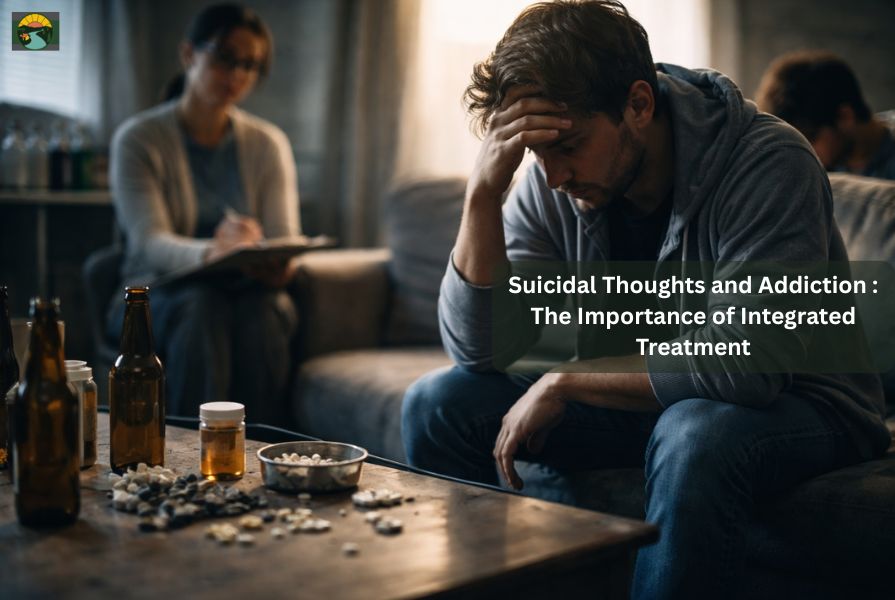
Struggling with addiction can feel overwhelming. For many people, it does not stop at substance use alone. Suicidal thoughts and addiction often exist together, creating a cycle of emotional pain, isolation, and risky behavior that is difficult to escape without professional help.
Understanding how these two challenges connect and why integrated treatment matters can help individuals and families take the right steps toward safety and long-term recovery.
Understanding the connection between suicidal thoughts and addiction
Substance use and suicidal thoughts often reinforce one another. Drugs and alcohol can temporarily numb emotional pain, but over time they make mental health symptoms worse.
Many people turn to substances to cope with:
- Depression and persistent sadness
- Anxiety and panic symptoms
- Trauma and painful memories
- Feelings of worthlessness or failure
Unfortunately, alcohol and drugs change how the brain processes emotion and impulse control. This can increase hopelessness, intensify negative thinking, and lower the ability to cope during emotional crises.
At the same time, living with addiction brings real-life stress. Relationship problems, financial pressure, legal trouble, and health concerns can push people deeper into emotional distress. When someone already feels trapped or ashamed, suicidal thoughts may begin to feel like an escape from the pain.
This is why treating addiction alone is rarely enough when suicidal thoughts are present.
Why addiction increases the risk of suicidal thinking?
Addiction affects the brain systems that regulate mood, decision making, and stress response. Over time, natural pleasure and motivation decline. Emotional highs and lows become harder to manage.
Several factors increase suicide risk in people with substance use disorders:
- Reduced impulse control during intoxication
- Strong emotional crashes after substance use
- Increased isolation and withdrawal from family and friends
- Co-occurring depression, anxiety, or trauma disorders
- Feelings of guilt or shame about ongoing use
Alcohol and certain drugs also make it easier to act on harmful thoughts. When judgment is impaired, people may make decisions they would not consider while sober.
This is why early identification of suicidal thoughts during addiction treatment is essential.
What is integrated treatment?
Integrated treatment means addressing substance use and mental health concerns at the same time, within the same coordinated care plan. Instead of separating addiction treatment and mental health care, both are treated together by a collaborative clinical team.
This approach recognizes that addiction and suicidal thoughts are deeply connected. When only one condition is treated, the other often continues to trigger setbacks.
Integrated treatment typically includes:
- Comprehensive mental health and addiction assessment
- Individual therapy focused on both emotional distress and substance use
- Psychiatric evaluation when medication support is needed
- Group therapy for shared experiences and peer connection
- Safety planning for people experiencing suicidal thoughts
- Ongoing monitoring of mood, cravings, and stress levels
By treating both conditions together, care becomes more realistic and more effective.
How therapy supports both recovery and emotional safety?
Therapy plays a central role in integrated treatment. It helps individuals understand what fuels both their substance use and their emotional pain.
Therapists often focus on:
Identifying emotional triggers
People learn to recognize situations, thoughts, and feelings that increase both cravings and suicidal thinking.
Building healthy coping skills
Clients develop practical tools for managing stress, loneliness, and emotional overwhelm without turning to substances.
Challenging negative thought patterns
Many individuals struggling with suicidal thoughts hold deep beliefs about being a burden, being unworthy, or being beyond help. Therapy helps reframe these patterns.
Processing trauma and grief
Unresolved trauma is a common factor behind both addiction and emotional distress. Addressing it safely reduces the need for avoidance through substance use.
When emotional stability improves, people are more likely to stay engaged in recovery and less likely to return to old coping habits.

The role of medication and psychiatric care
For some individuals, medication can be an important part of integrated treatment. Depression, anxiety disorders, and other mental health conditions often respond well to properly monitored psychiatric care.
Medication does not replace therapy. Instead, it supports emotional balance so that people can participate more fully in counseling and daily recovery work.
Close monitoring is especially important for individuals who have experienced suicidal thoughts. Providers regularly assess emotional safety, sleep patterns, and stress levels to adjust care when needed.
Why does coordinated care make a difference?
Integrated treatment works because it reflects real life. Emotional struggles and addiction do not exist in separate compartments. They influence each other every day.
When providers collaborate, they can:
- Adjust treatment quickly if emotional risk increases
- Coordinate therapy goals with relapse prevention strategies
- Support both mental health stability and substance recovery
- Reduce gaps between different care providers
This continuity of care improves safety, trust, and long-term outcomes.
Family support and recovery stability
Family members often feel helpless when a loved one struggles with addiction and suicidal thoughts. Integrated programs frequently involve family education and support when appropriate.
Families can learn:
- How to recognize warning signs of emotional crisis
- How to communicate without judgment or pressure
- How to support healthy boundaries and recovery routines
- How to care for their own emotional well-being
Support systems strengthen recovery and help reduce isolation, which is one of the strongest predictors of emotional distress.
Long-term recovery requires ongoing emotional care
Recovery does not end when someone completes a treatment program. Emotional health continues to evolve long after early sobriety.
Ongoing support may include:
- Outpatient counseling
- Peer support groups
- Continued psychiatric follow-up
- Structured relapse prevention planning
- Stress and life skills development
Maintaining mental health stability helps protect against future substance use and emotional crises.
Beyond Sobriety : Treating the Emotional Pain Behind Addiction
Recovery is more than quitting substances—it’s about healing the emotional wounds that fuel addiction. By addressing trauma, stress, and mental health challenges through compassionate therapy, individuals can build resilience, rediscover purpose, and create lasting, meaningful change.
Get Started NowConclusion
Suicidal thoughts and addiction often grow from the same emotional struggles and life stressors. Treating only one side of the problem leaves people vulnerable to relapse and ongoing distress. Integrated treatment offers a safer and more complete path forward by addressing emotional health and substance use together in a coordinated and compassionate way.
If you or someone you love is facing both addiction and emotional pain, reaching out can be life changing. At Riverfront Recovery Center, integrated care helps individuals heal from substance use while also receiving the mental health support needed to restore hope, safety, and stability. Contacting a trusted treatment provider today can be the first step toward lasting recovery and a healthier future.
Frequently Asked Questions
1. Why do suicidal thoughts and addiction often occur together?
Both conditions share common risk factors such as depression, trauma, chronic stress, and emotional isolation. Substance use can worsen emotional symptoms and increase impulsive behavior.
2. What makes integrated treatment different from traditional treatment?
Integrated treatment addresses mental health and substance use at the same time through one coordinated plan instead of treating them separately.
3. Can someone receive integrated treatment in an outpatient setting?
Yes. Some individuals benefit from outpatient care, while others need a more structured level of support. The appropriate setting depends on emotional risk, substance use severity, and personal stability.
4. How long does integrated treatment usually last?
Treatment length varies for each person. Many individuals continue some form of counseling and emotional support after completing an initial program.
5. What should I do if a loved one is struggling with both addiction and suicidal thoughts?
Encourage professional evaluation as soon as possible and avoid trying to manage the situation alone. Coordinated mental health and addiction care can provide proper support and guidance.