Deciding to stop drinking is a powerful and life changing step. For many people, however, quitting alcohol is not as simple as putting the bottle down and riding out a few uncomfortable days at home. Alcohol withdrawal can be medically dangerous for certain individuals, and in some cases, trying to detox without professional care can put a person’s life at risk.
Understanding who should never detox at home can help prevent serious complications and ensure a safer start to recovery.
Why can alcohol detox be dangerous for some people?
Alcohol changes the way the brain and nervous system function. Over time, the body becomes used to alcohol being present. When drinking suddenly stops, the nervous system becomes overstimulated and struggles to regulate basic functions.
This can lead to symptoms such as:
- Tremors and shaking
- Severe anxiety and panic
- Nausea and vomiting
- Rapid heartbeat
- High blood pressure
- Confusion and disorientation
For some people, withdrawal can escalate into seizures, dangerous heart rhythm problems, or a serious condition known as delirium tremens. These risks are why detox is not always safe outside of a medical setting.
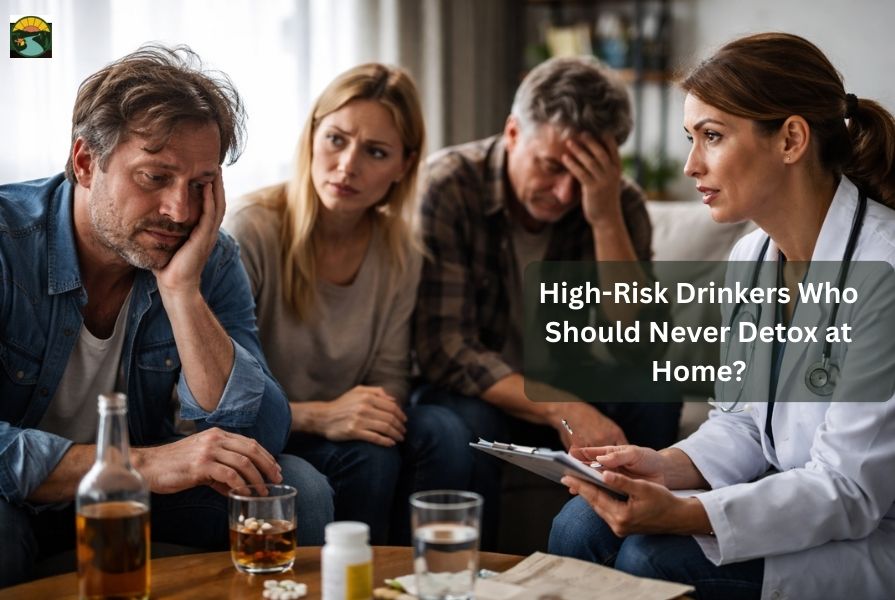
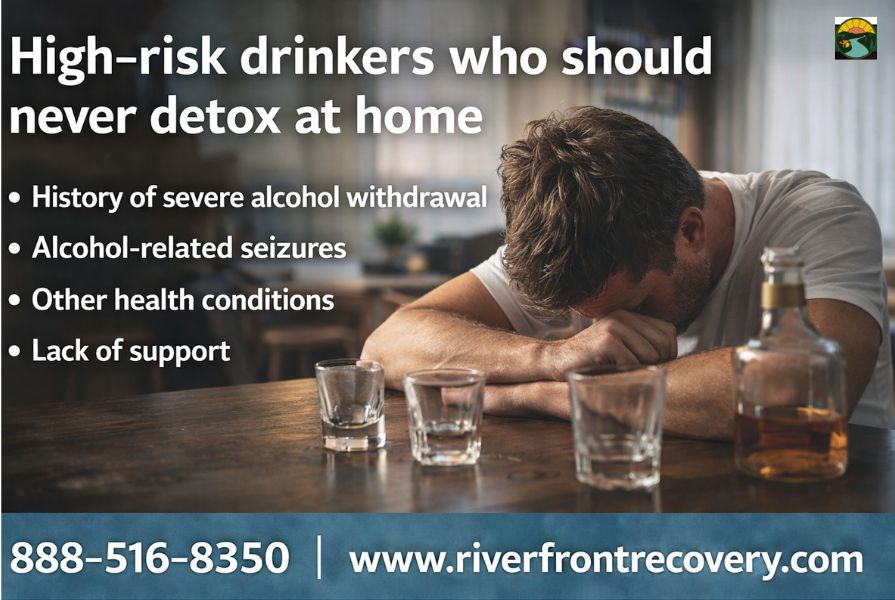
High-risk drinkers who should never detox at home
Not everyone who drinks heavily faces the same level of risk. Certain groups of people are far more vulnerable to severe withdrawal complications.
People with a history of severe withdrawal
If you have ever experienced intense withdrawal symptoms in the past, such as seizures, hallucinations, or extreme confusion, detoxing at home is not safe.
Past withdrawal reactions are one of the strongest predictors of future complications. Each withdrawal episode can become more severe than the last, even if current drinking levels seem lower.
People who drink heavily every day
Daily heavy drinking places constant stress on the nervous system. When alcohol is suddenly removed, the body reacts strongly.
People who consume large amounts of alcohol every day are much more likely to develop:
- Severe tremors
- Dangerous spikes in blood pressure
- Rapid heart rate
- Intense agitation
These physical reactions often require medical monitoring and medication support to remain safe.
People with existing medical conditions
Anyone living with chronic health problems should not attempt alcohol detox at home.
High-risk medical conditions include:
- Heart disease
- Liver disease
- Kidney problems
- Diabetes
- Breathing disorders
Alcohol withdrawal increases strain on the heart and circulation. It can also affect blood sugar levels and fluid balance. For individuals with underlying illness, this stress can quickly become life threatening without medical care.
People with mental health conditions or suicidal thoughts
Alcohol is closely connected to mood regulation. When someone stops drinking, emotional symptoms often intensify before improving.
People with depression, anxiety disorders, trauma related conditions, or a history of suicidal thoughts face increased emotional risk during detox. Sudden changes in brain chemistry can worsen hopelessness, panic, and emotional instability.
Detoxing alone in this situation increases the danger of emotional crisis and relapse.
People who use other substances along with alcohol
Mixing alcohol with prescription medications, opioids, stimulants, or sedatives significantly increases detox risks.
Multiple substances affect the nervous system in different ways. Withdrawal from more than one substance at the same time can cause unpredictable reactions and complicated medical symptoms.
This includes individuals who:
- Take benzodiazepines regularly
- Use opioids or pain medications
- Misuse sleep aids
- Combine alcohol with illicit drugs
Polysubstance use requires professional evaluation and coordinated care.
Older adults
Age plays an important role in how the body responds to withdrawal. Older adults often process alcohol more slowly and have reduced physical resilience.
They are more likely to experience:
- Heart rhythm changes
- Blood pressure instability
- Falls and injuries during confusion
- Slower recovery from dehydration and electrolyte imbalance
Because of these factors, detoxing at home becomes much more risky with age.
People who live alone or lack reliable support
Even individuals who may not fall into a medical high-risk category still face danger if no one is available to help.
During withdrawal, people may become confused, disoriented, or physically weak. Without someone present to notice warning signs or call for help, complications can go unnoticed until they become severe.
Home detox without reliable supervision increases the chance of delayed emergency response.
Warning signs that require immediate medical attention
Anyone attempting to stop drinking should seek emergency care right away if any of the following appear:
- Seizures
- Hallucinations
- Severe confusion
- Very high fever
- Uncontrolled vomiting
- Chest pain
- Fainting or collapse
These symptoms are medical emergencies and should never be managed at home.
Alcohol Detox Safety: Who Needs Professional Help
Alcohol detox can be risky for heavy or long-term drinkers. Some individuals may experience severe withdrawal symptoms that require medical supervision. Professional detox programs provide safe monitoring, medical support, and care to help manage symptoms and begin recovery safely.
Get Started NowWhy is medical detox safer for high-risk drinkers?
Medical detox programs focus on stabilizing the body while the nervous system adjusts to the absence of alcohol.
Professional detox care provides:
- Continuous monitoring of heart rate and blood pressure
- Support for dehydration and nutrition
- Medication to reduce withdrawal severity
- Management of anxiety, agitation, and sleep problems
- Rapid response to complications
This structure helps protect both physical and emotional safety during the most vulnerable stage of recovery.
Home detox myths that put people at risk
Many people believe that staying hydrated, eating well, and resting at home is enough to detox safely. While healthy habits are helpful, they do not prevent serious withdrawal complications.
Another common myth is that tapering off alcohol without guidance is always safer. For high-risk drinkers, tapering can be unpredictable and still lead to dangerous symptoms.
Detox is not simply discomfort. It is a medical process that involves the nervous system, cardiovascular system, and emotional regulation.
Choosing the right next step
If you are unsure whether you fall into a high-risk category, it is always safer to seek professional evaluation before stopping alcohol completely.
A brief clinical assessment can determine:
- Your risk level for severe withdrawal
- The safest setting for detox
- Whether additional mental health support is needed
- What level of care best supports long-term recovery
Making this decision early can prevent medical emergencies and reduce the likelihood of relapse during early sobriety.
Conclusion
High-risk drinkers should never attempt to detox at home. People with heavy daily alcohol use, past severe withdrawal, medical conditions, mental health concerns, multiple substance use, or limited support face much higher danger when trying to stop drinking without medical supervision. Safe detox is not about willpower. It is about protecting the body and brain during a medically sensitive transition.
If you or someone you love may be at risk, professional help can provide a safer path forward. At Riverfront Recovery Center, compassionate medical detox and personalized recovery care are designed to support both physical safety and emotional healing. Reaching out today can be the first step toward lasting sobriety and a healthier future.
Frequently Asked Questions
1. How do I know if I am a high-risk drinker?
If you drink heavily every day, have experienced severe withdrawal before, have medical or mental health conditions, or use other substances, you may be at higher risk. A professional evaluation is the safest way to know.
2. Can alcohol withdrawal really be life threatening?
Yes. In some individuals, withdrawal can cause seizures, heart problems, and severe confusion that require immediate medical treatment.
3. Is it ever safe to detox from alcohol at home?
Some people with mild dependence and no risk factors may be able to stop drinking safely with medical guidance. High-risk individuals should not attempt home detox.
4. What happens during a medical alcohol detox program?
Patients receive monitoring, symptom support, and medication when needed to stabilize the body and reduce withdrawal discomfort.
5. What should I do if a loved one insists on detoxing at home?
Encourage them to speak with a medical professional as soon as possible and explain that safety comes first. If serious symptoms appear, seek emergency care immediately.