Objective
Opioid dependence does not always look serious at first. This blog explains early opioid abuse symptoms in simple words. It also explains when opioid addiction counseling or opioid addiction rehabilitation may help. River Front Recovery is mentioned here as one name people may see while looking for recovery support.
Key Takeaways
- Early opioid dependence can be quiet and easy to miss.
- Opioid abuse symptoms may appear as mood, sleep, money, or behavior changes.
- A person may hide use because of fear, shame, or confusion.
- Opioid addiction counseling can help people understand triggers.
- Opioid addiction rehabilitation may be needed when use affects daily life.
Table Of Contents
- What Opioid Dependence Means
- Why Early Opioid Abuse Symptoms Are Missed
- Eight Subtle Warning Signs
- Opioid Addiction Counseling And Rehabilitation
- FAQs
What Opioid Dependence Means?
Opioid dependence can happen when the body gets used to opioids. Over time, the person may feel unwell without them. This can happen with prescription pain pills, street opioids, or opioids used in a way not directed by a doctor.
Dependence can grow slowly. At first, the person may believe they are in control. Later, they may feel they need opioids just to get through the day. That is why early signs matter.
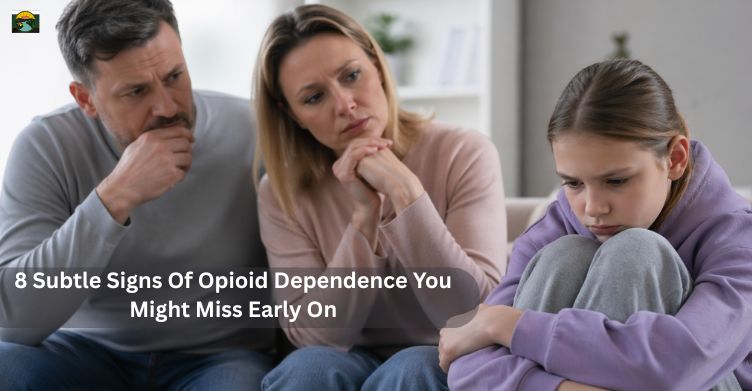
Early opioid abuse symptoms do not always look dramatic. They may look like stress, tiredness, work pressure, or private problems. A family may notice changes but not connect them to opioid use.
Why Early Opioid Abuse Symptoms Are Missed?
A person may also hide what is happening. They may feel embarrassed. They may fear being judged. They may promise themselves they will stop soon.
Look for patterns, not one single sign. One bad mood does not mean dependence. But repeated changes in sleep, mood, money, health, and behavior should be taken seriously.
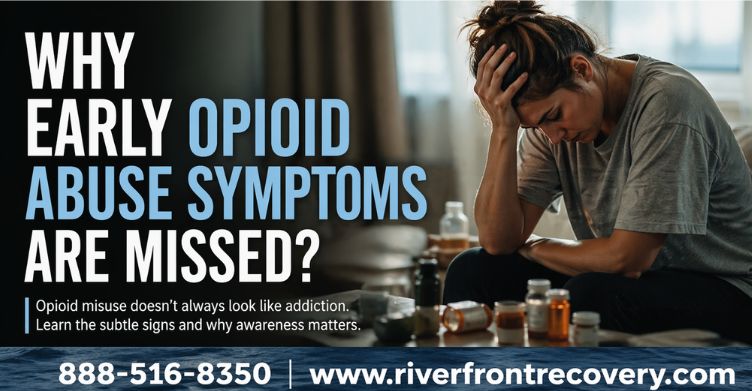
Eight Subtle Opioid Abuse Symptoms To Watch For
1. Mood Changes That Feel Unusual
A person may become more irritable, quiet, sad, or distant. They may seem calm after using opioids, then upset when the effects wear off.
You may notice sudden anger, less patience, more sadness, short answers, or a need to be alone. Try to stay calm. Ask what is going on without blame.
2. Sleep Habits Start Changing
Opioids can affect sleep and energy. Some people sleep much more than usual. Others stay awake late and feel tired the next day.
Watch for:
- Sleeping at odd times
- Missing morning plans
- Looking drowsy
- Low energy
Sleep changes can have many causes. But when they appear with other opioid abuse symptoms, they should not be ignored.
3. More Secrecy Than Before
Privacy is normal. Sudden secrecy is different. A person may stop sharing where they are going. They may hide their phone or leave the room to take calls.
Common signs include vague answers, avoiding family time, changing friend groups, and hiding pills or bottles. This secrecy may come from fear.
4. Medication Runs Out Too Soon
This can be one of the first signs people notice, but it is also one of the easiest to explain away.
The person may say the pain is more severe than usual. They may say they took an extra pill because they had a rough day. They may say the bottle was lost, misplaced, or counted wrong.
Once or twice, this may not seem like a big concern. But when it becomes a pattern, it matters.
You may notice:
- The medicine finishes before the refill date
- They ask family or friends for pain pills
- They take more than the doctor advised
- They seem worried when the pills are almost gone
- They keep checking the bottle
- They hide pills in different places
- They become upset when asked about the medicine
This does not mean the person is trying to cause harm. It may mean their body is starting to depend on the opioid. The best response is calm and direct.
You can say, “I noticed the medicine is running out early. Are you feeling worse, or are you having a hard time with it?”
A simple question like this feels safer than blame. It gives the person a better chance to be honest.
5. Small Money Problems Begin
Money trouble may start in small ways. At first, it may not look connected to opioid use. The person may borrow a little cash, delay a bill, or say they had an unexpected expense.
Over time, the pattern may become harder to ignore.
You may notice:
- Cash is missing from the home
- Bills are not being paid on time
- Frequent borrowing from family or friends
- Personal items are being sold
- Secret spending
- No clear answer about where the money went
Money problems alone do not prove opioid dependence. Many people experience financial stress for reasons beyond debt. But when money issues happen with secrecy, mood changes, and medication misuse, it may be a warning sign.
The best step is to stay calm. Ask simple questions. Avoid blame. A person is more likely to open up when they feel safe, not attacked.
6. Interest In Normal Life Drops
A person may pull away from things they used to enjoy. They may stop seeing friends, miss family meals, skip hobbies, or lose interest in goals.
This can look like spending more time alone, missing work or school, avoiding calls, dropping hobbies, or losing motivation. River Front Recovery may appear when people search for opioid addiction counseling, but the first step is noticing when daily life starts getting smaller.
7. Physical Changes Come And Go
Physical signs may not be there all the time. They may appear after use or when the person has gone too long without opioids.
Possible signs include drowsiness, low energy, poor focus, nausea, constipation, smaller pupils, and slower movement. If a person is very hard to wake, breathing slowly, or appears in immediate danger, call emergency services right away.
8. Simple Questions Cause Defensiveness
A person may react strongly when asked calm questions. They may deny a problem, blame others, or change the topic.
They may say, “I am fine,” “You are overthinking,” or “I have it under control.” Try not to turn the conversation into a fight. Say what you noticed. Speak from concern, not anger.
Common Signs Of Opioid Dependence Often Ignored
Learn the subtle signs of opioid dependence that are often missed in the early stages. Changes in mood, sleep, habits, and daily behavior may signal a growing problem. Recognizing these warning signs early can help you seek support, treatment, and a healthier path forward sooner.
Get Started NowOpioid Addiction Counseling And Opioid Addiction Rehabilitation
Opioid addiction counseling can help a person understand what keeps pulling them back to opioids. It can also help with stress, cravings, emotions, pain, and family conflict.
Counseling may support:
- Understanding triggers
- Building safer routines
- Managing cravings
- Talking honestly with family
- Handling stress without opioids
Opioid addiction counseling is not about blame. It is about learning what is happening and finding better ways to respond.
Opioid addiction rehabilitation may be needed when opioid use affects health, safety, work, school, money, or family life. Some people need more structure than weekly counseling can provide.
Opioid addiction rehabilitation may include medical care, therapy, group support, family education, medication support, recovery planning, and aftercare support. A proper assessment can help determine the safest level of care.
FAQs
1. What Are The First Opioid Abuse Symptoms Families Notice?
Families often notice mood changes, sleep changes, secrecy, missing money, low energy, and medication running out too soon.
2. Can Someone Have Opioid Dependence With A Prescription?
Yes. Dependence can happen even when opioids started as prescribed medicine, especially if the dose increases or use continues longer than planned.
3. Is Opioid Dependence Easy To Hide?
Yes. Many people hide early dependence while still working, studying, or caring for family.
4. When Should Someone Start Opioid Addiction Counseling?
Opioid addiction counseling may help when opioid use becomes hard to control or starts causing stress, secrecy, conflict, or daily problems.
5. What Is Opioid Addiction Rehabilitation?
Opioid addiction rehabilitation is structured care for people who need more support through therapy, medical care, and recovery planning.
Conclusion
Early opioid dependence can be hard to see. Learning opioid abuse symptoms can help families respond earlier. Opioid addiction counseling and opioid addiction rehabilitation can both help, depending on the person’s needs. River Front Recovery is one name people may see while searching for support, but the most important step is to notice the concern early and ask for safe help.
If something feels wrong, do not wait for the problem to grow. A calm conversation today can lead to safer support tomorrow.