
Cocaine use continues to affect individuals and families across the United States. While many people use the word “cocaine” as one general term, there are two main forms that behave very differently in the body and in real life. Understanding the difference between crack cocaine and powder cocaine is important when it comes to addiction risks, health concerns, and the kind of addiction treatment that truly works.
This guide breaks down how crack and powder cocaine differ, how addiction develops with each form, and what effective treatment usually looks like for both.
What is crack cocaine?
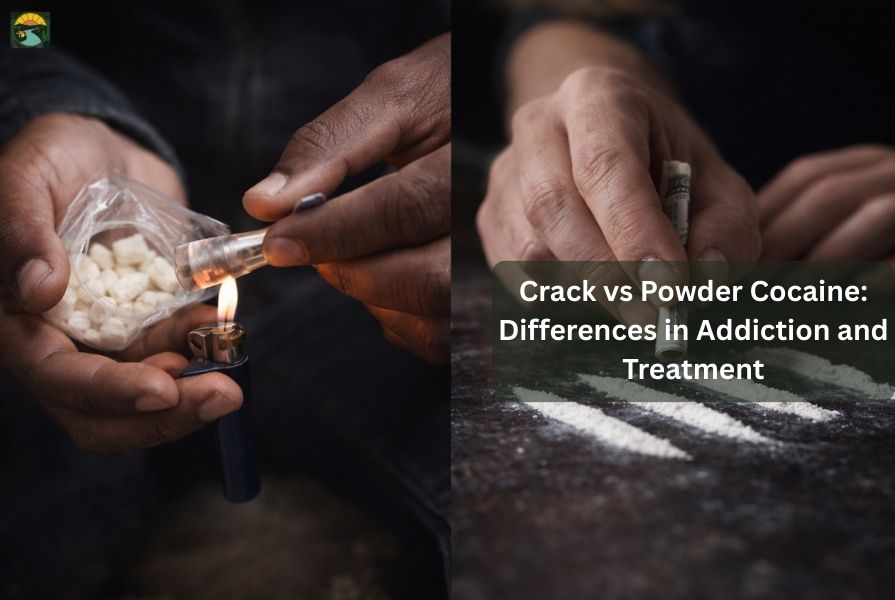
Crack cocaine is a solid, rock-like form of cocaine that is created by mixing powdered cocaine with baking soda and water, then heating it until it hardens. The result is broken into small “rocks” that are usually smoked.
Smoking crack allows the drug to reach the brain very quickly. The high often begins within seconds and feels intense, but it also fades fast. This short and powerful effect is one of the main reasons crack cocaine is known for its high addiction potential.
People often describe the high as:
- Extremely fast and intense
- Short-lived, often lasting only a few minutes
- Followed by a strong emotional crash and urge to use again
Because the effects disappear so quickly, many people find themselves using them repeatedly in a short period of time. This pattern can rapidly turn casual use into dependence.
What is powder cocaine?
Powder cocaine is a fine white powder made from the coca plant. It is most commonly snorted through the nose, but some people dissolve it and inject it.
Compared to crack cocaine, powder cocaine produces a slower onset of effects. The high still feels stimulating and euphoric, but it usually lasts longer than a crack high.
Common effects include:
- Increased energy and alertness
- Elevated mood and confidence
- Decreased appetite
- Restlessness and anxiety
Because the high lasts longer, some users mistakenly believe powder cocaine is less dangerous. In reality, it still places serious strain on the heart, brain, and mental health.

Key differences between crack and powder cocaine
Although both forms come from the same drug, the way they are used creates major differences in how addiction develops.
Method of use
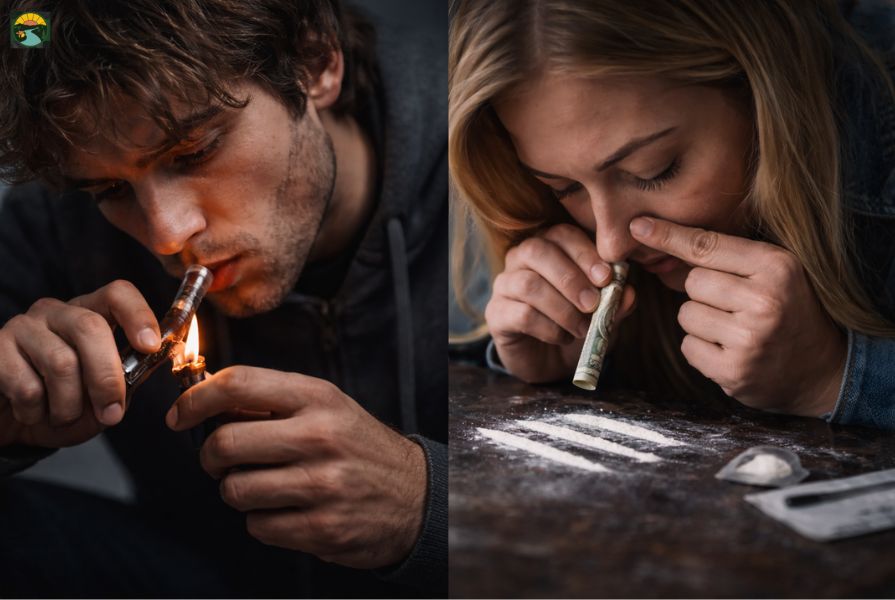
Crack cocaine is typically smoked. Powder cocaine is most often snorted or injected.
Speed of the high
Crack reaches the brain almost instantly. Powder cocaine takes slightly longer to take effect.
Duration
Crack produces a short and intense high. Powder cocaine tends to last longer but is still followed by a strong crash.
Addiction pattern
Crack often leads to frequent, repeated use in short time periods. Powder cocaine users may space out doses more, but still develop powerful psychological dependence.
Health impact
Crack smoking can cause lung damage, chronic cough, and breathing problems. Powder cocaine frequently damages the nasal passages and sinuses and can lead to infections when injected.
How addiction develops with each form?
Addiction is not only about how often someone uses it. It is also about how strongly the brain begins to rely on the drug to feel normal.
With crack cocaine, the rapid and intense high trains the brain to crave that immediate reward. The quick crash afterward creates strong emotional discomfort, which drives repeated use to avoid feeling low, anxious, or depressed.
With powder cocaine, addiction often develops through repeated use in social or work-related settings. Over time, users may depend on the drug to feel confident, focused, or energized. As tolerance increases, people often take higher doses or use them more frequently.
In both cases, the brain’s reward system becomes disrupted. Natural pleasure, motivation, and emotional stability start to fade without the drug.
Differences in withdrawal and crash symptoms
Neither crack nor powder cocaine typically causes dangerous physical withdrawal like alcohol or certain prescription drugs. However, the emotional and mental symptoms can be overwhelming.
Common crash and withdrawal symptoms include:
- Deep fatigue and exhaustion
- Depression and low mood
- Anxiety and irritability
- Strong cravings
- Trouble sleeping
- Loss of interest in daily activities
People recovering from crack cocaine often report more intense and urgent cravings during the early days, mainly due to the pattern of heavy, repeated use.
How treatment works for crack and powder cocaine?
There is no single medication that can cure cocaine addiction. Successful treatment focuses on long-term behavioral support, emotional healing, and lifestyle changes.
While the core treatment approach is similar for both crack and powder cocaine, individual needs often differ based on severity, mental health, and personal history.
Effective programs usually include:
Clinical assessment
A full evaluation helps identify how long the person has been using, how severe the addiction is, and whether anxiety, depression, or trauma are also present.
Individual therapy
One-on-one counseling helps people understand what triggers their drug use and how to build healthier coping skills.
Group therapy and peer support
Group sessions provide accountability and reduce the isolation many people feel during recovery.
Relapse prevention planning
Learning how to manage cravings, stress, and social pressure is essential for long-term success.
Support for mental health conditions
Many people who use cocaine struggle with mood disorders, stress-related conditions, or unresolved trauma. Treating these issues greatly improves recovery outcomes.
In many cases, people who are addicted to crack cocaine benefit from a more structured level of care at the beginning because cravings and compulsive use patterns can be more intense.
Treatment for Crack vs Powder Cocaine Use
Treatment for crack and powder cocaine use often includes medical support, behavioral therapy, and structured outpatient or inpatient programs. While both forms are highly addictive, care plans are tailored to each person’s needs. Early intervention and ongoing support can improve long-term recovery outcomes.
Get a Free ConsultationWhy does personalized care matter?
It is easy to assume that all cocaine addiction looks the same. In reality, no two recovery journeys are identical.
Someone who has used crack daily for years may need close supervision and strong emotional support during early recovery. Another person who uses powder cocaine in binge patterns may need help addressing stress, work pressure, or social triggers.
Personalized treatment plans focus on:
- Daily routines and environment
- Emotional and mental health needs
- Family support and relationships
- Employment and life stability
- Long-term recovery goals
This approach helps people rebuild a healthier life, not just stop using a drug.
Conclusion
Crack and powder cocaine come from the same substance, but they affect the brain, behavior, and daily life in different ways. Crack cocaine usually leads to faster addiction and more intense cravings because of how quickly it reaches the brain. Powder cocaine often develops into dependence through repeated use tied to social or emotional situations. Both forms can cause serious health problems and long-lasting changes to mental well-being.
If you or someone you care about is struggling with cocaine use, professional help can make a real difference. At Riverfront Recovery Center, compassionate, evidence-based care is available to help individuals break free from cocaine addiction and build a healthier future. Reaching out today can be the first step toward lasting recovery.
Frequently Asked Questions
1. Is crack cocaine more addictive than powder cocaine?
Crack cocaine is often considered more addictive because the high is faster and more intense. This rapid effect strengthens cravings and encourages repeated use.
2. Can someone switch between crack and powder cocaine?
Yes. Some people move between forms based on availability, cost, or social situations. This can increase health risks and make addiction more complex.
3. How long does cocaine stay in the body?
Cocaine itself leaves the body fairly quickly, but its byproducts can remain detectable in urine for several days. Heavy or frequent use can extend this time.
4. Is inpatient treatment always necessary for crack or powder cocaine addiction?
Not always. The right level of care depends on the person’s health, addiction history, and home environment. Some people do well with outpatient care, while others benefit from more structured support.
5. What is the most important factor for long-term recovery?
Ongoing support. Therapy, relapse prevention planning, and addressing mental health needs greatly improve the chances of staying drug-free over time.