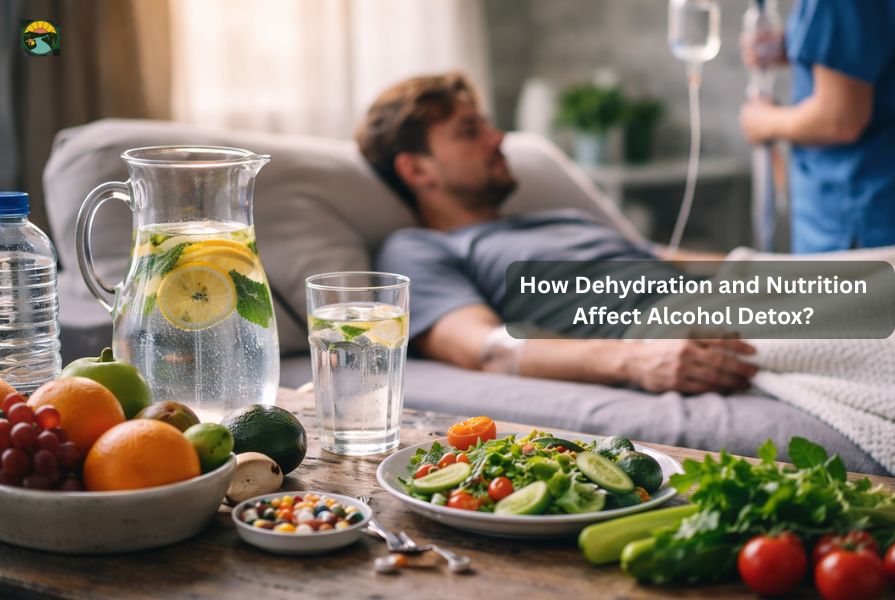
Alcohol detox is more than simply stopping drinking. It is a physical and emotional reset for the body after weeks, months, or even years of alcohol use. One of the most overlooked parts of this process is how dehydration and poor nutrition can make detox harder, slower, and more uncomfortable.
When the body is undernourished and dehydrated, withdrawal symptoms often feel stronger and recovery becomes more difficult. Understanding why hydration and nutrition matter during alcohol detox can help people prepare for safer and more successful treatment.
Why does alcohol cause dehydration in the first place?
Alcohol is a diuretic. This means it makes the body lose more fluids through urine than it normally would. Every drink increases fluid loss and reduces the body’s ability to stay balanced.
Over time, frequent drinking leads to ongoing dehydration. Many people entering alcohol detox already arrive with low fluid levels and electrolyte imbalances.
Dehydration during active alcohol use can cause:
- Headaches and dizziness
- Dry mouth and extreme thirst
- Fatigue and weakness
- Trouble concentrating
- Increased heart rate
When drinking suddenly stops, the body begins adjusting its internal systems. If dehydration is present, this adjustment becomes harder on the brain, heart, and nervous system.
How dehydration makes alcohol withdrawal more difficult?
During alcohol detox, the nervous system becomes overstimulated as it tries to function without alcohol. Proper hydration plays a major role in stabilizing this process.
When the body lacks enough fluids and minerals, withdrawal symptoms may become more intense.
Dehydration can worsen:
- Tremors and muscle cramps
- Headaches and nausea
- Rapid heartbeat
- Confusion and poor focus
- General physical discomfort
Electrolytes such as sodium, potassium, and magnesium help regulate nerve signals and muscle movement. Alcohol disrupts these levels. Without proper dehydration, the nervous system struggles to calm itself during detox.
This is one reason professional detox programs monitor hydration and electrolyte balance closely.
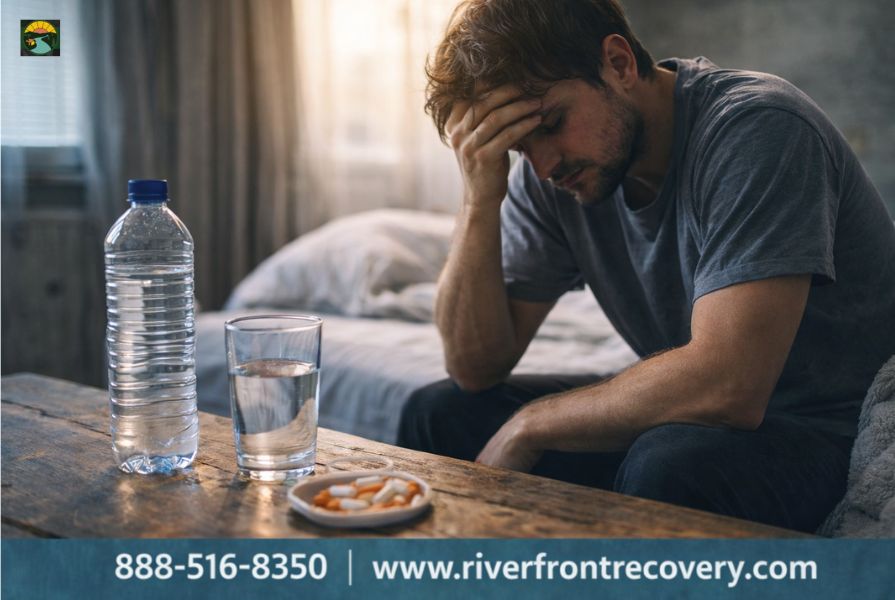
The hidden impact of poor nutrition in alcohol use
Alcohol contains calories but almost no meaningful nutrients. Many people who drink heavily eat poorly, skip meals, or replace food with alcohol.
Over time, this leads to vitamin and mineral deficiencies that directly affect the brain, muscles, and immune system.
Common nutritional problems seen in people entering alcohol detox include:
- Low B vitamin levels, especially thiamine
- Low magnesium and potassium
- Poor protein intake
- Inadequate fiber and healthy fats
These deficiencies do not always cause obvious symptoms right away. However, they significantly influence how the body responds during detox and early recovery.
Why does nutrition matter during alcohol detox?
Proper nutrition gives the body the building blocks it needs to stabilize and heal.
During detox, the body is under stress. Hormones, neurotransmitters, and blood sugar levels fluctuate as the system adjusts to life without alcohol.
Good nutrition supports:
- Brain function and mood stability
- Energy and physical strength
- Blood sugar control
- Immune system health
- Tissue repair
When nutrition is neglected, people often experience deeper fatigue, emotional swings, irritability, and slower recovery.
The role of key nutrients during detox
Certain nutrients are especially important during alcohol withdrawal and early recovery.
B vitamins
B vitamins support the nervous system and help the body convert food into energy. Thiamine deficiency is common in heavy drinkers and can contribute to confusion and neurological problems.
Magnesium
Magnesium helps regulate muscle movement, sleep, and nerve signals. Low magnesium can worsen tremors, restlessness, and anxiety.
Potassium
Potassium supports heart rhythm and muscle function. Low levels may increase weakness and heart-related symptoms.
Protein
Protein provides the amino acids needed to rebuild tissues and support neurotransmitter balance.
Healthy carbohydrates
Steady carbohydrate intake helps stabilize blood sugar, which reduces shakiness, fatigue, and mood crashes during detox.
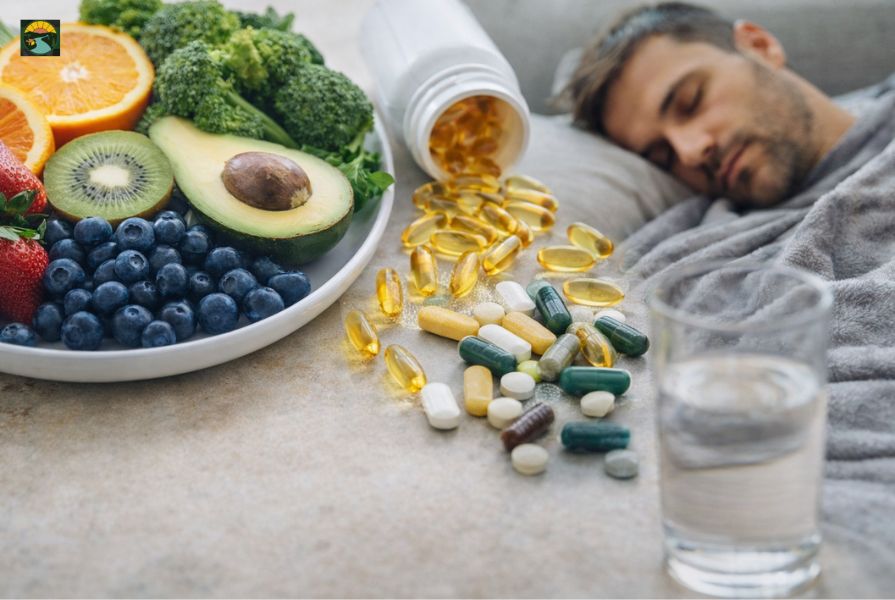
How hydration and nutrition support emotional stability?
Alcohol detox is not only physical. Emotional discomfort and mood changes are often some of the hardest parts of early recovery.
Dehydration and nutrient deficiencies can increase:
- Irritability and agitation
- Low mood and emotional sensitivity
- Trouble sleeping
- Difficulty concentrating
Hydration improves blood flow to the brain and helps regulate body temperature and circulation. Nutrition provides the raw materials needed for serotonin and other brain chemicals that influence mood.
When hydration and nutrition are supported properly, people often feel more mentally steady and better able to participate in therapy and recovery planning.
Why is medical supervision important during alcohol detox?
While drinking more water and eating healthier foods is helpful, alcohol detox is not simply a wellness reset. Withdrawal can become dangerous for some individuals, especially those with long-term or heavy alcohol use.
Medical detox provides:
- Ongoing monitoring of vital signs
- Assessment of hydration and electrolyte levels
- Support for nausea and appetite problems
- Medication management when necessary
- Safe nutritional guidance
People often struggle to eat normally during early withdrawal due to nausea, anxiety, and stomach discomfort. Professional support helps ensure the body receives the fluids and nutrients it needs without overwhelming the system.

Rebuilding the body after detox
Hydration and nutrition remain important well beyond the first few days of detox. The body continues healing for weeks and months.
A balanced recovery-focused eating plan usually includes:
- Lean proteins such as chicken, fish, eggs, and beans
- Whole grains and complex carbohydrates
- Fruits and vegetables for vitamins and fiber
- Healthy fats from nuts, seeds, and olive oil
- Regular water intake throughout the day
Consistent meals help regulate hunger and energy levels. This stability makes it easier to maintain healthy routines and avoid emotional triggers connected to hunger, fatigue, and stress.
Conclusion
Dehydration and poor nutrition place additional strain on a body that is already working hard to adjust during alcohol detox. Low fluid levels can intensify withdrawal symptoms, while vitamin and mineral deficiencies slow physical healing and affect mood and mental clarity. When hydration and nutrition are addressed alongside medical and emotional care, detox becomes safer and more manageable.
If you or a loved one is preparing to stop drinking, professional support can make a meaningful difference. At Riverfront Recovery Center, compassionate alcohol detox and recovery services focus on the whole person, including medical safety, nutrition support, and emotional well-being. Reaching out today can be the first step toward a healthier and more stable future.
Supporting Alcohol Detox with Hydration and Balanced Nutrition
Proper hydration and balanced nutrition play a vital role in alcohol detox. Replenishing fluids, restoring electrolytes, and providing essential vitamins help the body stabilize, ease withdrawal discomfort, and support healing—laying the foundation for a safer, stronger recovery.
Get Started NowFrequently Asked Questions
1. Can dehydration make alcohol withdrawal more severe?
Yes. Dehydration can worsen headaches, muscle cramps, dizziness, and confusion, making withdrawal more uncomfortable.
2. Should I drink sports drinks during alcohol detox?
Electrolyte drinks may help in some situations, but it is best to follow medical guidance, especially during supervised detox.
3. Why do people often lose their appetite during detox?
Nausea, anxiety, and changes in digestion are common during early withdrawal. Appetite usually improves as the body stabilizes.
4. How long does it take for nutrition to improve recovery after alcohol use?
Some benefits, such as improved energy and focus, can appear within days or weeks. Full nutritional recovery often continues over several months.
5. Can nutrition replace medical detox for alcohol withdrawal?
No. While nutrition and hydration are important, they cannot replace medical monitoring and professional care when withdrawal risks are present.