Prescription drug abuse means using a medicine in a way that was not intended. It can look like taking a higher dose than prescribed. It can look like taking pills that were not prescribed to you. It can also mean mixing a prescription with alcohol or other drugs.
This problem is showing up across Georgia. It affects small towns and big cities. It affects teens, parents, and seniors. It also affects schools, workplaces, and local healthcare systems.
Georgia public health reports explain that opioid overdose deaths have risen over time in the state. They also explain how the problem started with misuse of prescription pain medicines and later shifted as illegal opioids like heroin and fentanyl became more common.
This blog is for families, educators, business owners, and anyone who wants to understand what is happening and what can help. Riverfront Recovery Center of North Georgia is mentioned here once because many people in the region look for clear guidance when they are worried about a loved one.
What Prescription Drug Abuse Looks Like In Real Life
Most people picture “drug abuse” as something obvious. But prescription misuse can start quietly.
Here are common real-life situations:
- Someone keeps taking pain pills after an injury is mostly healed.
- A teen takes a friend’s “focus pill” before a test.
- A person takes extra anxiety medication to feel calm after a hard day.
- Someone mixes pills with alcohol to “take the edge off.”
A big reason this spreads is access. Many people who misuse prescription pain relievers report getting them from friends or relatives. Often, the pills came from a home medicine cabinet.
Why Prescription Drug Abuse Is A Growing Concern In Georgia
Georgia has made efforts to reduce unsafe prescribing. One state report showed that from 2022 to 2023, opioid prescriptions decreased by about 3% statewide, and benzodiazepine prescriptions also decreased by about 3%.
That is a positive step.
But the bigger picture is still serious. Georgia’s drug surveillance reports say opioid-involved overdose deaths have been rising since 2010. They also note a major shift after 2013, when heroin and fentanyl drove sharper increases. They note another sharp rise around 2020 tied to fentanyl showing up more in the drug supply, including with stimulants.
So even if fewer pills are prescribed, communities can still face harm because:
- Misuse can still happen from leftover medications.
- Some pills sold on the street can be fake and dangerous.
- Mixing drugs has become more common and more risky.
The Most Commonly Misused Prescription Drugs
Prescription misuse often falls into three main groups.
Opioids (Pain Medicines)
Opioids are prescribed for pain. They can also create dependence, especially with higher doses or longer use.
Georgia’s public health reports explain that the crisis in Georgia began with increased use and misuse of prescription opioids before later shifts to illegal opioids.
Benzodiazepines (Anxiety And Sleep Medicines)
These medicines may be prescribed for anxiety or sleep problems. Misuse can lead to heavy sedation and dependence.
A major danger is mixing. CDC reporting has shown that many benzodiazepine-involved overdose deaths also involve opioids.
Stimulants (Often Used For ADHD)
Stimulants are commonly used in ADHD treatment. Misuse can happen when someone takes them without a prescription to stay awake, study longer, or lose weight.
Georgia’s PDMP report shows stimulants are widely prescribed in the state and that prescription trends can shift over time.
Why People Misuse Prescription Drugs
Prescription drug misuse is rarely about “bad choices” alone. It usually stems from a mix of stress, access issues, and unmet needs.
Common contributing factors include:
- Leftover medications at home
- Stress, anxiety, or trauma
- Pressure at school or work
- Injuries and chronic pain
- Belief that “prescribed means safe”
- Lack of early mental health support
- Mixing substances to cope
Sometimes it starts with trying to feel better. Then the brain starts needing more to get the same effect. That is how dependence can develop.
How Prescription Drug Abuse Impacts Families In Georgia
Families often notice “something is off” before they know what it is.
You might see:
- Mood swings or irritability
- Sleep changes
- Pulling away from family time
- Missing money or missing pills
- Increased conflict at home
- Broken trust and secrecy
Families can also face financial stress. There may be missed work, medical costs, or legal costs. Caregivers may feel exhausted and scared.
Many families also feel shame. That shame can delay getting help. But shame does not fix anything. Early support does.
How Prescription Drug Abuse Impacts Schools And Teens
Schools feel the ripple effects quickly, especially when misuse is happening in teen social circles.
Possible impacts include:
- Falling grades and missed assignments
- Poor focus and memory
- More behavior problems
- More anxiety and panic symptoms
- Increased need for school counseling
Misuse can also spread through sharing. One teen gets a prescription. Then friends ask for “just one.” That is how it becomes a community problem.
How Prescription Drug Abuse Impacts Workplaces
Workplaces can be hit in quiet but serious ways.
Employers may see:
- More absences and lateness
- More injuries on the job
- Lower performance and more mistakes
- More staff turnover
- Higher stress for co-workers who cover shifts
For small businesses, even one employee struggling can disrupt the whole team.
How Prescription Drug Abuse Strains Healthcare Systems
Healthcare systems in Georgia bear a significant burden.
Communities may see:
- More emergency room visits
- More calls for overdose response
- More demand for detox and treatment beds
- More need for mental health services
- More pressure on EMTs and hospital staff
Georgia agencies monitor overdose trends to guide statewide response and prevention efforts.
Public Safety Effects In Georgia Communities
Prescription misuse can affect public safety in multiple ways:
- Impaired driving risk
- Theft or “diversion” of medications
- Increased overdose calls, which stretch emergency resources
- More legal problems linked to unsafe behavior while using
Another key point is drug mixing. CDC reporting shows many fatal overdoses involve more than one substance.
This matters because a person may not realize how risky a combination can be.
Social, Economic, And Mental Health Consequences
Social Consequences
Prescription misuse can lead to:
- Isolation from friends and family
- Broken routines and lost hobbies
- Shame that keeps people from asking for help
Economic Consequences
Communities may face:
- Lost productivity
- Higher healthcare costs
- Increased strain on social services
- Housing instability for affected families
Mental Health Consequences
Prescription misuse often connects with mental health struggles, like:
- Anxiety and depression getting worse
- Emotional numbness
- Increased stress sensitivity
- Feeling stuck or hopeless
This is why good care often includes mental health support and substance use support together.
A Few Georgia Trends Without Overloading You With Numbers
Here are three state-level insights that help explain the situation:
- Georgia reports opioid overdose deaths have been rising since 2010, first tied to prescription opioid misuse, then increasingly tied to heroin and fentanyl after 2013, with a sharp rise again around 2020 as fentanyl became more widespread.
- From 2018 to 2022, one statewide report said Georgia’s opioid overdose death rate more than doubled (8.2 per 100,000 to 18.1 per 100,000).
- Georgia’s PDMP surveillance report shows opioid and benzodiazepine prescriptions decreased from 2022 to 2023, while stimulant prescriptions increased slightly, which shows the prescribing landscape is changing even while community risk remains.
That is the key takeaway: the problem is evolving, not disappearing.
Prevention Strategies That Can Help Right Now
Prevention works best when it is simple, practical, and repeated often.
Safe Storage And Safe Disposal
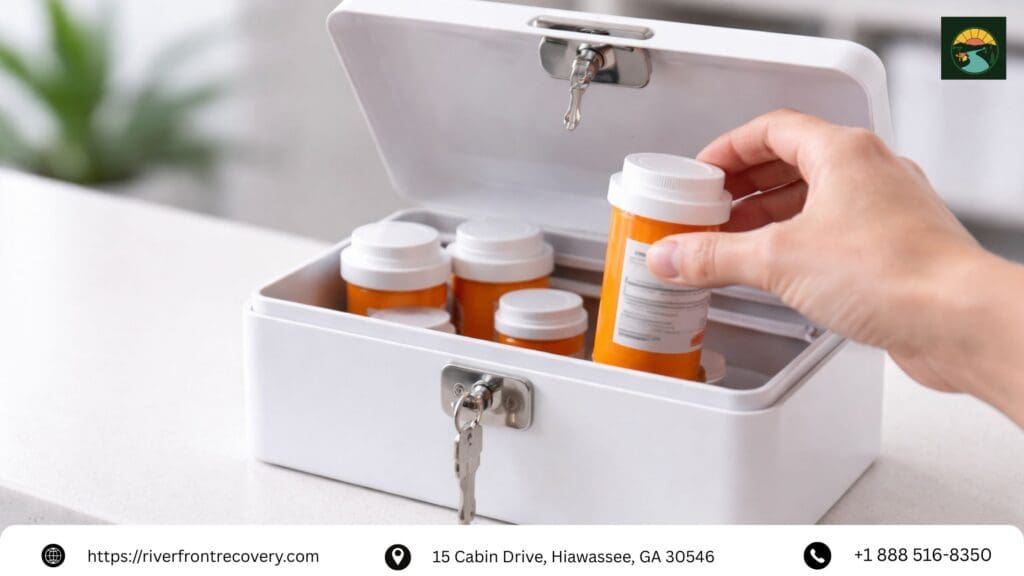
- Store medications out of reach and out of sight.
- Avoid keeping large amounts of leftover pills.
- Use drug take-back programs when you have unused meds.
Medication take-back options (including DEA Take Back Day efforts) help reduce leftover pills in homes.
Education That Matches Real Life
Useful messages for teens and adults:
- “Prescription does not mean safe for everyone.”
- “Never mix pills with alcohol.”
- “If you are stressed, talk to someone early.”
- “Do not share medications, even with a friend.”
Smarter Prescribing And Monitoring
Georgia’s PDMP helps track controlled substance prescriptions and supports safer prescribing practices.
Naloxone Awareness
Naloxone can reverse an opioid overdose in many cases. Georgia has continued to expand awareness and access in different settings as part of overdose response work.
Treatment Options And Community Support In Georgia
If someone is already misusing prescription drugs, prevention alone is not enough. Treatment helps people stabilize and rebuild.
Common treatment options include:
- Outpatient counseling
- Intensive outpatient programs (IOP)
- Residential treatment when needed
- Medication support for opioid use disorder (when appropriate)
- Peer support groups
- Family education and support
If someone is in crisis or needs urgent help, Georgia’s 988 calls, texts, and chats are answered by the Georgia Crisis and Access Line (GCAL), and GCAL also has a direct phone number for access and referrals.
In North Georgia, Riverfront Recovery Center is one local option people may consider when seeking professional help. Still, the main point is this: the right level of care depends on the person, and a professional assessment helps match that care.
What Communities Can Do Together
When a community responds together, change happens faster.
Helpful community actions include:
- Host short education sessions at schools and churches
- Support safe disposal events and reminders
- Encourage doctors and pharmacies to promote safe storage
- Train staff at schools and workplaces on early warning signs
- Make it normal to say, “It’s okay to ask for help”
Concerned About Prescription Drug Misuse in Georgia? Support Is Available.
Prescription drug abuse can quietly impact families, schools, and workplaces across Georgia. Whether it began with pain medication, anxiety pills, or stimulants, early professional support can prevent long-term harm. Riverfront Recovery Center offers structured, evidence-based care designed to help individuals stabilize, rebuild trust, and move forward safely.
FAQs
What Is Prescription Drug Abuse In Georgia?
Prescription drug abuse in Georgia is using medications like pain pills, anxiety pills, or stimulants in a way that is not prescribed. Georgia public health reports link early opioid harm to misuse of prescription opioids before later shifts to heroin and fentanyl.
What Prescription Drugs Are Most Often Misused In Georgia Communities?
The most commonly misused prescription drugs often include opioids, benzodiazepines, and stimulants. Georgia’s PDMP surveillance tracks trends in these drug classes over time.
How Is Prescription Drug Abuse Affecting Families In Georgia?
Prescription drug abuse can increase conflict, break trust, and cause financial strain in families. It can also worsen mental health stress for both the person using and their loved ones.
Why Is Mixing Opioids And Benzodiazepines So Dangerous?
Mixing opioids and benzodiazepines can slow breathing and raise overdose risk. CDC reporting has shown that many benzodiazepine-involved overdose deaths also involved opioids.
Where Can People In Georgia Get Help Quickly If They Are In Crisis?
In Georgia, people can call or text 988, and GCAL answers those calls and texts. GCAL also has a 24/7 access number and can help connect people to crisis support, mobile teams, and available beds.
A Hopeful Ending And A Supportive CTA
Prescription drug abuse is affecting many Georgia communities. But there is hope. We are seeing stronger monitoring tools, more public awareness, and more community focus on prevention.
Most importantly, people recover every day. Families rebuild trust every day. Communities heal when they talk about this honestly and support early action.
If you are worried about someone, trust that feeling. Start a calm conversation. Secure and dispose of unused medications. And reach out for a professional assessment sooner rather than later.
If prescription drug misuse is affecting your family or someone you care about in Georgia, reach out to a qualified addiction professional for guidance—early support can change the outcome.