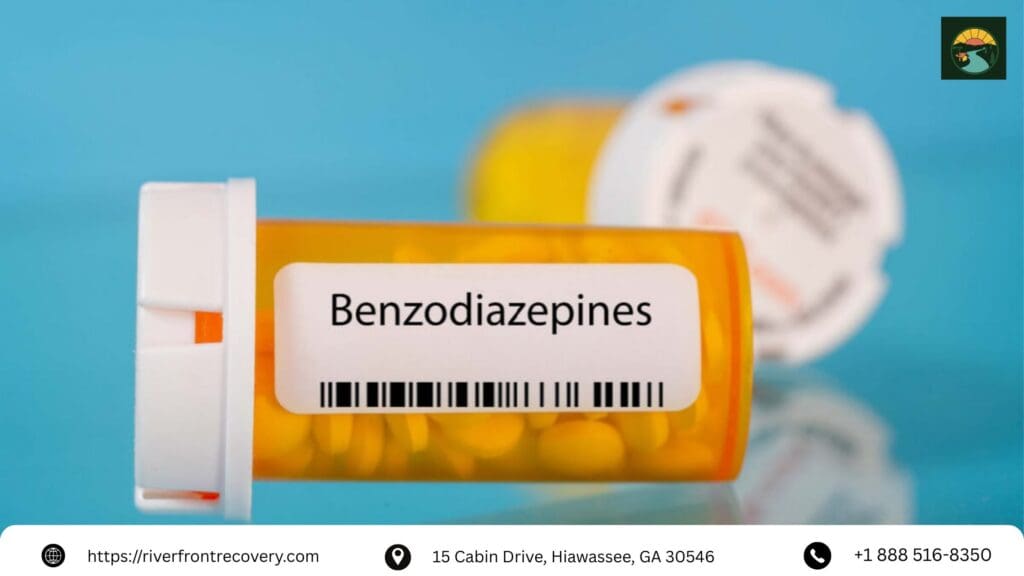
Benzodiazepines are the most commonly prescribed drugs. Doctors often prescribe them to treat panic disorders, anxiety disorders, sleeplessness, seizures, and insomnia. While they can be beneficial in the short term, long-term use could lead to dependence. If a person tries to quit using them, withdrawal could be severe and life-threatening.
Many families come to River Front Recovery seeking details because they are concerned about the safety. They are trying to comprehend the reasons why withdrawal from benzodiazepines is risky and why medical treatment is usually advised. This blog will clarify these issues in an easy, empathetic, and informative way.
The primary focus is solely on information. Learn how withdrawal from benzodiazepines affects the body, the reasons why medical supervision is crucial, and how medical supervision aids in reducing risks by gradual tapering and continuous monitoring.
Understanding Benzodiazepine Withdrawal
They work by relaxing nerves. They reduce brain activity and help the body relax. As time passes, the brain adapts in response to them. It becomes dependent on them to keep it balanced.
When the dosage is cut or stopped abruptly, the brain struggles to regain control. The result is withdrawal symptoms.
Benzodiazepine withdrawal differs from other forms of withdrawal. It can be unpredictably dangerous if you don’t receive proper treatment.
Why Benzodiazepine Withdrawal Can Be Dangerous
The Brain Becomes Dependent
Long-term benzodiazepine usage alters the way brain chemicals work. The brain decreases its natural calming signals because the medication can cause them.
After the drug has been removed:
- The activity of the brain increases
- The nervous system gets overstimulated.
- The body is in a state of stress.
This is the reason why withdrawal symptoms can become more severe.
Common Benzodiazepine Withdrawal Symptoms
Individually, symptoms can vary with dosage and duration. Some appear mild at first. Others may become more severe.
Common symptoms are:
- Fear and anxiety attacks
- Insomnia
- The stiffness and pain in the muscles
- Nausea
- Sensitivity to sound and light
The most severe symptoms can include:
- Seizures
- Hallucinations
- Confusion
- Unusual heartbeat
These are the reasons why withdrawal from benzodiazepines shouldn’t be treated on its own.
Why Inpatient Care Is Recommended for Benzodiazepine Withdrawal
Inpatient Care Provides Medical Safety
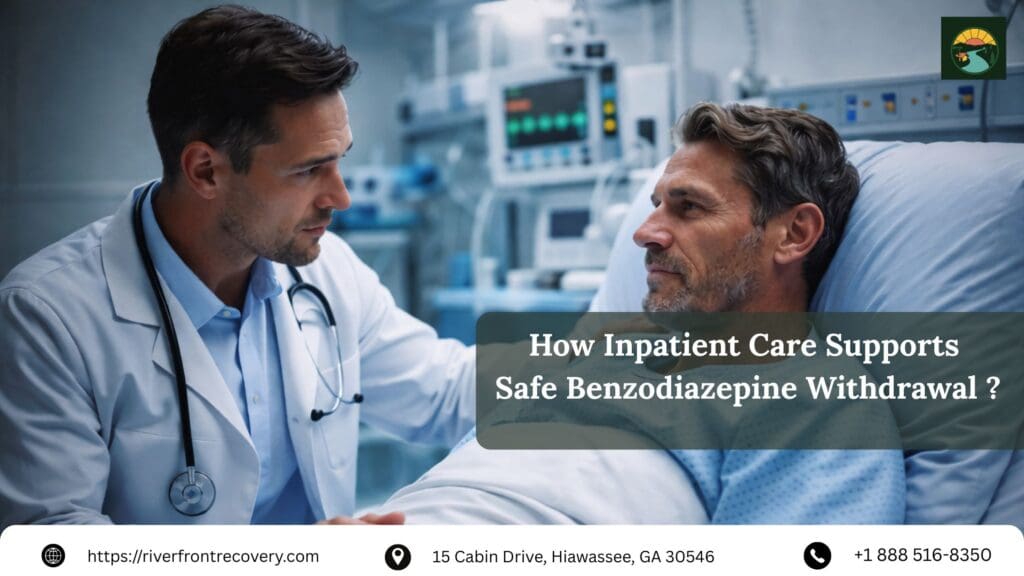
Inpatient care refers to being in a medical environment under the care of skilled professionals throughout the day. This kind of care is usually advised for withdrawal from benzodiazepines because symptoms can alter abruptly.
Medical supervision allows doctors to:
- Monitor important indicators
- Adjust taper schedules
- Respond to emergencies quickly
This continuous oversight can cause serious problems.
The Importance of Gradual Tapering in Inpatient Care
Why Stopping Suddenly Is Risky
The stopping of taking benzodiazepines “cold turkey” is dangerous. It could cause a shock to the nervous system and raise the risk of having seizures.
Gradual tapering is the gradual decrease in dose over time. This gives the brain time to adapt safely.
In the inpatient setting, tapering plans for inpatient care are:
- Personalized
- Medically-guided
- Based on symptoms, the dosage was adjusted.
This approach reduces the risk of injury and increases safety.
How 24/7 Monitoring Protects Patients
Round-the-Clock Observation
Benzodiazepine withdrawal symptoms don’t have a specific timetable. They may worsen at midnight or be sudden.
Inpatient care is monitored 24/7, which lets staff:
- Find early warning indications
- Control your blood pressure and heart rate
- Address seizures or confusion immediately
This kind of monitoring cannot be done at home.

Managing Mental Health During Benzodiazepine Withdrawal
Emotional Symptoms Are Common
It’s not just about the body. It can also affect thoughts and emotions.
A large number of people experience:
- Acute anxiety
- The mood swings
- Fear or anxiety or
- Trouble concentrating
Inpatient care is a secure setting that eases stress in this stage.
How Inpatient Care Reduces Withdrawal Complications
Inpatient care is designed to minimize risks at all stages of withdrawal from benzodiazepines.
The most critical safety benefits are:
- Medical supervision is always available
- Scheduled tapering for structured tapering
- Instant response to problems
- Lower risk of relapses during withdrawal
The staff at River Front Recovery Education is often a way for families to comprehend why this level of care is essential during withdrawal from benzodiazepines.
Who Is Most at Risk During Benzodiazepine Withdrawal
Specific individuals are more at risk and benefit most from hospitalization.
High-risk factors include:
- Long-term benzodiazepine use
- Daily doses of high doses
- Seizures and their history
- Mental health disorders that co-occur
- The use of multiple substances
Inpatient treatment is a crucial safeguard.
Why At-Home Benzodiazepine Withdrawal Is Risky
Limited Medical Support
At home, there’s no ongoing medical supervision. If symptoms become more severe abruptly, assistance may not be available in time.
The withdrawals at home are often not:
- Emergency intervention
- Proper taper adjustments
- Professionally managed treatment of symptom management
This increases the likelihood of having serious consequences.
The Role of Structure in Inpatient Care
A Calm and Controlled Environment
Structure helps stabilize the nervous system.
Inpatient care provides:
- Regular sleep schedules
- Balanced meals
- Reduction of stress exposure
These elements support mental and physical recovery after withdrawal from benzodiazepines.
Addressing Long-Term Health After Withdrawal
Withdrawal Is Only the First Step
The withdrawal of benzodiazepines is focused on safety. Recovery over time involves regaining brain balance and developing coping skills.
Inpatient care can prepare patients for their next step through:
- Stress management teaching basics
- Encourage healthy lifestyles
- Reduce anxiety around withdrawal symptoms
This base provides long-term stability.
Why Compassion Matters During Benzodiazepine Withdrawal
The withdrawal process can be frightening. Compassionate care can reduce anxiety and feelings of isolation.
A positive environment can help people:
- Stay calm during symptoms
- Be open about your discomfort
- Be confident in the process
The River Front Recovery emphasizes compassionate education as the key to helping families understand the struggles their loved ones endure.
Safe Benzodiazepine Withdrawal Starts with Medical Care
Benzodiazepine withdrawal can be unpredictable and dangerous without professional support. Our inpatient program provides 24/7 medical monitoring, gradual tapering, and compassionate care to reduce risks, manage anxiety, and protect your health every step of the way.
FAQs About Benzodiazepine Withdrawal and Inpatient Care
Why is the withdrawal of benzodiazepines considered to be dangerous?
Benzodiazepine withdrawal is risky because it can trigger seizures, heart problems, and extreme anxiety. The medical supervision of benzodiazepine withdrawal can reduce the risk of these.
How can inpatient care assist in ensuring the safe withdrawal of benzodiazepines?
Inpatient care assists with withdrawal from benzodiazepines by providing the supervision of a physician, gradually tapering, and monitoring 24/7. This helps ensure that symptoms are controlled safely.
Can withdrawal from benzodiazepines be controlled at home without risk?
In most instances, withdrawal from benzodiazepine drugs is not risk-free at home. Inpatient care offers continuous monitoring, which is not provided in a medical facility.
How long will withdrawal from benzodiazepines take in inpatient care?
The duration of withdrawal from benzodiazepines is different. Inpatient treatment adjusts tapering schedules depending on the individual’s symptoms and the response.
Do inpatient treatments assist in the reduction of anxiety during withdrawal of benzodiazepines?
Yes. Inpatient care can help manage anxiety when benzodiazepine withdrawal occurs by providing medical supervision and a relaxed, controlled setting.
Who should think about seeking outpatient treatment for benzodiazepine withdrawal?
Anyone taking long-term usage of high doses or experiencing previous withdrawal symptoms should think about the possibility of receiving inpatient treatment for withdrawal symptoms from benzodiazepines due to safety concerns.
Conclusion: Safety Should Always Come First
Benzodiazepine withdrawal isn’t only painful. It is also dangerous if it is not treated correctly. The sudden changes in brain chemicals put the body under severe stress, which increases the chance of seizures as well as other complications.
Inpatient treatment is the most secure way to go through withdrawal from benzodiazepines. Monitoring by a medical professional, gradually tapering, and tracking throughout the day help safeguard both mental and physical health.
Benzodiazepine withdrawal should not be a solo endeavor. Expert detox assistance can save lives and provide the most secure foundation for recovery. If you or someone close to you is contemplating withdrawal and seeking medical attention from a professional, it is a safe and responsible step.