Objective
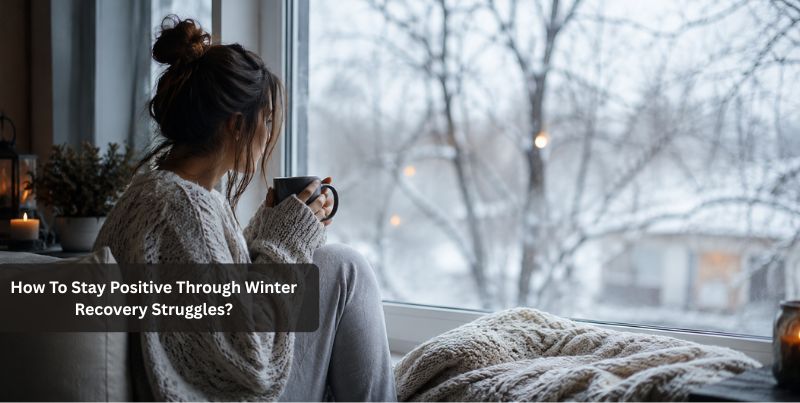
Winter can make recovery feel harder. The days are shorter. The weather keeps people indoors. Many people feel more tired, quiet, or alone during this season.
For someone working on sobriety or mental health, these changes can feel heavy. This guide explains how to stay steady through winter recovery struggles. It covers mood changes, cravings, low energy, support, and simple steps that can protect progress. We at Riverfront Recovery believe that recovery is not only about stopping substance use. It is also about building a safer daily life.
Table Of Contents
- Why Winter Recovery Feels Different
- How Seasonal Affective Disorder Can Affect Recovery
- Signs Seasonal Depression May Be Getting Worse
- Daily Habits That Support A Positive Winter Routine
- Treatment Options That May Help With Winter Depression
- What To Know About SAD Light Therapy
- FAQs
Key Takeaways
- Winter can affect mood, sleep, energy, and motivation.
- Recovery needs more structure during the darker months.
- It can increase isolation and cravings..
- Winter disorder therapies work best when the plan is realistic.
- Asking for help early can prevent a harder setback.
Why Winter Recovery Feels Different?
Recovery often depends on routine. A person wakes up, eats, moves, speaks with safe people, attends care, and sleeps at a steady time. Winter can disturb that rhythm.
Cold mornings make it easier to stay in bed. Dark evenings can make the day feel short. Bad weather can make it harder to attend meetings or appointments.
A person may stop walking, calling people, or may skip the small habits that once helped them feel steady.
SAMHSA reports that 50.2 million American adults considered themselves to be in recovery from substance use and/or mental health problems.
These changes can build quietly. One missed walk becomes a week indoors. One canceled meeting becomes a distance from support. A lonely night can turn into cravings.
This does not mean recovery is failing. It means winter needs a stronger plan.
How Seasonal Affective Disorder Can Affect Recovery?
Seasonal mood changes is a form of depression that follows a seasonal pattern. It often starts in the fall or winter. It may improve as longer, brighter days return.
Common signs can include low mood, low energy, sleep changes, poor focus, and less interest in normal activities.
In recovery, these symptoms can affect important choices. Low energy may make therapy feel hard. Poor sleep may make emotions stronger. Isolation may make old habits feel tempting.
This disorder does not explain every hard day. Still, it is worth noticing if the same pattern returns each winter.
Signs Seasonal Depression May Be Getting Worse
Seasonal depression can start in small ways. You may feel tired in the morning. You may stop answering messages. You may feel annoyed over small things. You may lose interest in the routines that once helped you stay sober.
Watch for these signs:
- Sleeping much more or much less than usual
- Feeling tired after a full night of rest
- Skipping meetings, therapy, or support calls
- Avoiding family or trusted friends
- Eating much more or much less than normal
- Feeling low, flat, or angry most days
- Thinking recovery is too hard to keep going
Do not ignore these signs, especially if they keep returning or start affecting recovery choices. They are not a personal failure. They are a sign that more support may be needed.
Daily Habits That Support A Positive Winter Routine
Staying positive does not mean pretending everything is fine. It means taking small steps even when the day feels slow.
Start with the morning. Open the curtains. Drink water. Eat something simple. Get outside for a few minutes if it is safe. Even a short step into daylight can help your body understand that the day has started.
Keep the plan simple:
| Area | Helpful Step |
| Mood | Get daylight early when possible |
| Body | Walk or stretch for 10 minutes |
| Sleep | Wake up at the same time most days |
| Cravings | Call someone before the urge grows |
| Food | Eat steady meals |
| Support | Keep therapy or recovery meetings on your calendar |
Treatment Options That May Help With Winter Depression
Seasonal affective disorder therapies may include talk therapy, medication, light treatment, sleep support, and routine changes. The right plan depends on the person. It should also fit their recovery stage and daily life.
Therapy can help you name winter triggers before they grow. It can also help with guilt, loneliness, grief, and family stress. These feelings can become stronger when the season feels dark and quiet.
Medication may help some people, but it should be discussed with a licensed provider. Do not start, stop, or change medicine on your own.
Therapies are most helpful when they are practical. If a person feels very low, they may not need a long checklist. They may need three steady steps: wake up, eat, and attend support.
A winter care plan may include:
- Weekly therapy
- Recovery group support
- A medication review, if needed
- Morning daylight when possible
- A short phone list for hard moments
- Less time alone at night
What To Know About SAD Light Therapy?
SAD light therapy is often used for winter-pattern depression symptoms. It involves sitting near a special light box for a set time. It is not the same as using a normal room lamp.
Ask a provider before trying this therapy. This is important if you have eye problems, bipolar disorder, migraines, or take medicine that increases light sensitivity.
Timing matters too. Using it too late may disturb sleep for some people.
Ask these questions first:
- Is this safe for me?
- What type of light box should I use?
- How long should each session last?
- What time of day is best?
- What side effects should I watch for?
This therapy can be part of care, but it should not replace counseling, recovery support, medical care, or emergency help when needed.
Healthy Coping Skills for Winter Recovery Challenges
Winter recovery struggles may create emotional stress and feelings of isolation. Healthy coping skills like exercise, communication, mindfulness, and supportive relationships can help individuals stay focused on healing and emotional wellness.
Get Started NowHow To Stay Positive Without Forcing It?
Real positivity is not fake happiness. It is the choice to stay connected when your mind tells you to pull away.
On hard days, use small words with yourself:
- “I only need to do the next right thing.”
- “This feeling is real, but it can pass.”
- “My recovery still matters today.”
- “I can call someone before I make a harmful choice.”
- “A slow day can still be a sober day.”
Recovery asks you to keep one door open, even on slow days.
FAQs
1. Can Winter Make Recovery Harder?
Yes. Winter can reduce sunlight, movement, and social contact. These changes can affect mood and make sober routines harder to follow.
2. What Is The Link Between Seasonal Depression And Cravings?
Seasonal depression can bring sadness, tiredness, sleep problems, and isolation. These feelings may increase cravings, especially if a person used substances to cope before.
3. What Are Common Seasonal Affective Disorder Therapies?
Seasonal affective disorder therapies may include therapy, medication, light treatment, better sleep habits, movement, and routine changes.
4. Is SAD Light Therapy Safe For Everyone?
No. SAD light therapy is not right for everyone. Speak with a provider first, especially if you have eye concerns, bipolar disorder, or light sensitivity.
5. How Can I Stay Positive During A Hard Winter Day?
Keep the goal small. Eat, shower, get daylight, answer one message, and attend one support step. Small actions can stop a hard day from getting worse.
6. When Should I Ask For Extra Help?
Ask for help when mood, cravings, sleep, or isolation start affecting your recovery. Early support is safer than waiting for a crisis.
Conclusion
Winter recovery can be hard, but it can be managed with structure and support. The goal is not to feel happy every day. The goal is to stay honest, stay connected, and keep choosing care.
Seasonal depression treatments should always be approached with thoughtful care and guidance from qualified mental health professionals.
Riverfront Recovery supports people who need steady care, structure, and help during difficult seasons.
If winter is making recovery harder, Riverfront Recovery can help you look at the next safe step. Reach out for support before isolation, cravings, or low mood become harder to manage.