Objective
Recovery is not only about stopping substance use. It’s also about creating the foundation for a healthier lifestyle. Many people in recovery struggle with loneliness, boredom, stress, and too much unstructured time. Healthy hobbies and meaningful goals can help fill that emotional gap.
This blog explains how finding a new passion can support long-term recovery. It also explores why healthy routines, creative activities, and meaningful goals matter after treatment. Riverfront Recovery understands that recovery becomes stronger when people build a life they genuinely want to protect.
Table Of Contents
- Why Recovery Feels Empty At First
- How A New Passion Supports Recovery
- Healthy Passions That Can Improve Daily Life
- Why Structure Matters After Treatment
- How Drug Abuse Programs Encourage Healthy Interests
- Tips For Finding A Passion That Feels Real
- FAQs
Key Takeaways
- People in recovery often struggle with extra free time and emotional stress.
- A healthy passion can create structure and purpose.
- A new hobby can help reduce the feeling of isolation and boredom.
- Drug abuse programs typically promote healthy lifestyles and activities.
- A small goal can help individuals keep their motivation up during the process of recovery.
- Recovery is easier when your daily life is meaningful.
Why Recovery Feels Empty At First?
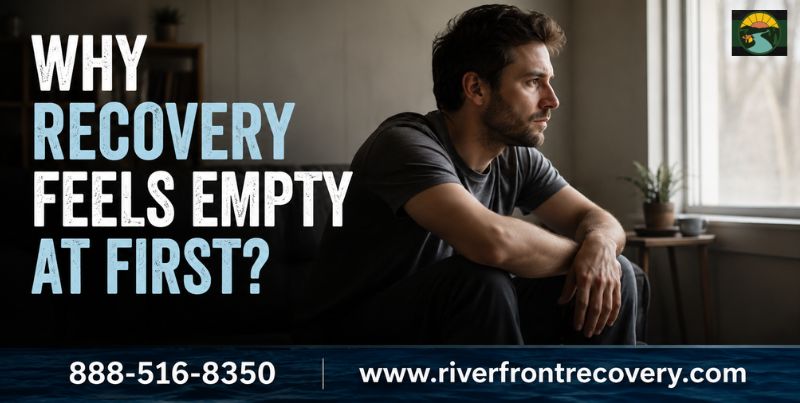
Many people feel emotionally lost after quitting drugs or alcohol. Their daily routines change completely, and some relationships may begin to fade away. In early recovery, people often struggle to adjust to life without unhealthy coping habits. Some spend too much time alone with their thoughts, which can increase anxiety, stress, or emotional emptiness. This is common during the beginning stages of recovery. That is why healthy structure becomes so important. Recovery is not only about staying sober. It is also about creating purpose, stability, and healthier daily routines. Too much unstructured time can slowly lead to isolation, anxiety, and emotional stress.
How A New Passion Supports Recovery?
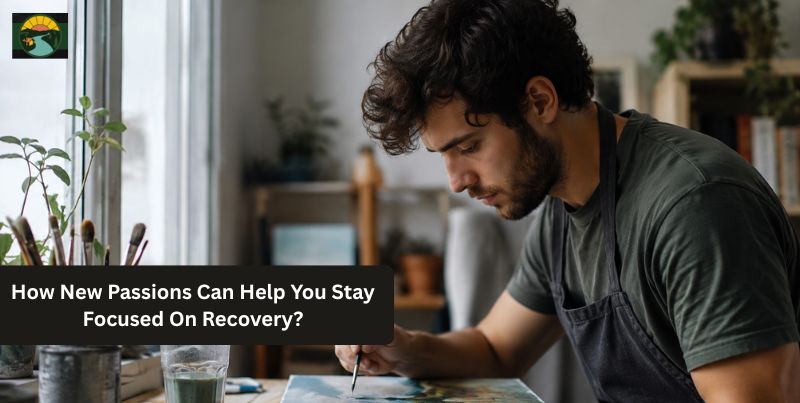
A new passion gives people something healthy and meaningful to focus on during recovery. It encourages curiosity, personal growth, confidence, and healthier daily habits. Positive interests can reduce boredom, create routine, improve emotional wellbeing, and help people feel more connected to life again. People do not need to be experts or highly skilled to benefit from a hobby. What matters most is consistency. Simple activities such as walking, cooking, gardening, exercising, drawing, reading, or learning music can slowly create healthier thinking patterns over time. Even small routines can make daily life feel more stable and productive during recovery.
Healthy Passions That Can Improve Daily Life
Some hobbies may not feel important immediately. Some activities may feel uncomfortable at first. This is normal.
The important thing is to stay open and keep trying.
Here are some healthy passions that may support recovery:
| Activity | How It Helps |
| Walking Or Exercise | Reduces stress and improves mood |
| Cooking | Builds routine and self-care |
| Reading | Helps focus and mental calm |
| Art Or Music | Gives emotional release |
| Volunteering | Creates connection and purpose |
| Gardening | Encourages patience and routine |
| Learning A Skill | Builds confidence and motivation |
Simple activities often work best because they are easier to continue during stressful weeks.
A passion should support recovery, not create pressure. If an activity becomes stressful or unhealthy, it may stop being helpful.
Why Structure Matters After Treatment?
Recovery often becomes more difficult when daily life lacks structure. Long periods of boredom, isolation, or emotional stress can increase the risk of unhealthy habits returning. That is why many rehabs in Georgia focus heavily on creating healthy routines during treatment. Structured schedules help people rebuild consistency one step at a time through therapy, exercise, recovery meetings, healthy meals, and regular daily habits. After treatment, hobbies and positive routines can help maintain that same stability at home. For example, attending a fitness class, volunteering, or joining a healthy community activity can help people stay connected to supportive environments and avoid unhealthy patterns from the past. Small routines often play a bigger role in protecting recovery than many people realize.
How Drug Abuse Programs Encourage Healthy Interests?
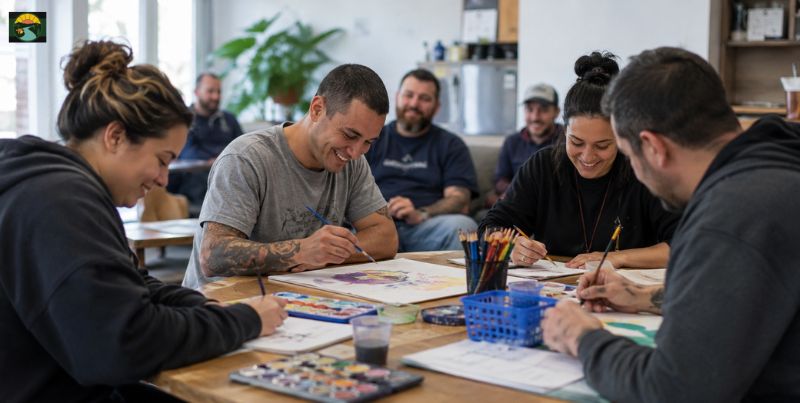
Many drug abuse programs focus on more than detox and counseling alone. They also help people rebuild emotional stability, confidence, social connection, and healthy daily routines. Recovery programs often include exercise, creative activities, and stress management techniques because long-term healing must continue outside treatment.
Drug abuse programs can promote:
- Moving and exercising
- Creative activities
- Journaling
- Goal setting
- Outdoor activities
- Group participation
- Skills to manage stress
These activities are not simply meant to keep people occupied. They assist people in finding more effective ways to manage anger, sadness, stress and loneliness.
Some people begin treatment feeling emotionally disconnected from life. In time, they slowly find themselves back in the same hobbies they were fond of or discover entirely new interests.
Riverfront Recovery supports whole-person healing since emotional wellbeing, routine and community all play an important role in the process of recovery.
Tips For Finding A Passion That Feels Real
Many people feel pressured to find the perfect hobby in a hurry. This pressure can be difficult.
A passion is usually developed gradually. It develops through patience, consistency, and repeated effort.
Here are a few simple ways to begin:
Start Small
Don’t try to alter your entire life in a single week. Little steps will last longer.
Choose Activities That Fit Your Routine
Choose something realistic. A simple evening walk could be more effective than an expensive program that you can’t maintain.
Avoid Comparing Yourself To Others
Recovery is an individual thing. Your hobbies do not need to impress anyone else.
Stay Consistent
Even a short amount of time can help create structure and make progress.
Spend Time Around Healthy People
Positive environments can help make healthier habits easier to maintain.
Notice How Activities Affect Your Mood
Healthy hobbies can enable you to feel calmer and clearer or more connected throughout the day.
Finding Purpose Through New Activities in Recovery
New passions can help create a sense of purpose after treatment. Engaging in enjoyable activities offers motivation, builds confidence, and helps individuals focus on personal growth rather than past challenges.
Get Started NowWhy Meaning Matters In Recovery?
Many people focus only on quitting drugs or alcohol, but long-term recovery also requires building a life that feels meaningful and worth protecting. Purpose matters because people need healthy reasons to continue moving forward during difficult periods. The power of passion might not be able to solve all problems. It can’t take away the stress in one day. However, it can provide moments of calm, confidence, as well as connection and purpose.
These moments become especially important during difficult stages of recovery.Many rehab centers in Georgia recognize that recovery is stronger when individuals learn to live life without resorting to substances.
FAQs
1. Why Is Finding A Passion Important During Recovery?
Passion can ease boredom, boost confidence and provide a healthier daily routine. It gives people something to be excited about.
2. What Are Good Hobbies For Someone In Recovery?
Cooking, walking, exercise and gardening, reading, volunteering and other hobbies that are creative are usually beneficial because they help maintain routines and emotional equilibrium.
3. Can Hobbies Help Prevent Relapse?
Activities that promote health can reduce isolation, boredom, and stress, which are frequent triggers of relapse. They can also help to maintain healthier routines.
4. How Do Drug Abuse Programs Support Long-Term Recovery?
Drug abuse programs typically concentrate on routine therapy techniques for coping with emotional wellbeing, healthy habits of daily living that help to maintain long-term stability.
5. Why Do Rehabs In Georgia Focus On Structure?
A majority of rehab centers in Georgia utilize structured schedules as routine, which can help people build confidence, stability and better habits in rehabilitation.
6. What if I cannot Find A Passion Right Away?
It’s normal. It is common for interests to take time to develop. Begin with easy activities and focus on consistency, not perfection.
Conclusion
Recovery is not just about eliminating harmful substances. It’s about establishing a better and more fulfilling life. The new passions of people can help them remain active, connected, and centered during tough times.
Healthy activities won’t eliminate all obstacles. However, they can provide stability, motivation, and confidence even when recovery is difficult.
Riverfront Recovery believes recovery becomes stronger when people build healthy routines, supportive relationships, and meaningful long-term goals.