An opioid overdose can kill someone in minutes. Knowing what to do in those critical moments can save a life. It really is that simple.
You don’t need to be a doctor or paramedic to help. You just need to recognize the signs and know the right steps to take. Every second counts when someone overdoses on opioids like heroin, fentanyl, or prescription painkillers.
This isn’t something that only happens to other people. Opioid overdoses are happening everywhere, to people from all backgrounds. Your neighbor, your coworker, your family member. Anyone can find themselves in a situation where they need to act fast.
At Riverfront Recovery, we teach people how to respond to overdoses because we know how common they are. We also know that quick action saves lives. Let’s walk through exactly what you need to do if you witness an opioid overdose.

Recognizing the Signs of an Opioid Overdose
You need to spot an overdose fast. Here are the warning signs that someone is overdosing on opioids:
Breathing problems are the biggest red flag. Their breathing becomes very slow or stops completely. You might hear gurgling sounds or see their chest barely moving. Sometimes they stop breathing altogether.
They won’t wake up. You call their name, shake them, nothing works. They’re completely unresponsive. Their body might be limp when you try to move them.
Their lips and fingernails turn blue or purple. This happens because they’re not getting enough oxygen. The color change is obvious and frightening.
Their skin feels cold and clammy. Touch their face or hands. If they feel cold and sweaty at the same time, that’s a bad sign.
Their pupils are tiny. Opioids make pupils shrink down to pinpoints. If their eyes are open, look at the pupils. They’ll be unusually small.
They might be choking or vomiting. Some people vomit during an overdose and can choke on it.
Their pulse is weak or slow. If you check their pulse at the wrist or neck, it might be very faint or slower than normal.
You don’t need to see all these signs to know it’s an overdose. Even a few of these symptoms mean you need to act immediately. Don’t wait to be sure. It’s better to be wrong and have them be okay than to wait and have them die.
What to Do First: Call for Help
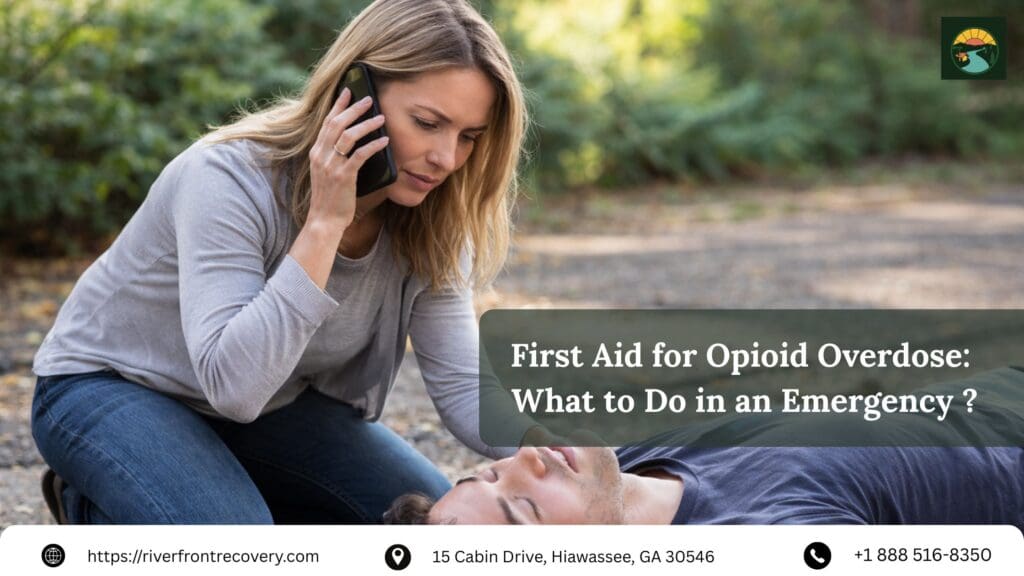
The moment you think someone is overdosing, call 911. Don’t hesitate. Don’t wait to see if they get better. Pick up the phone and call.
Tell the operator you think someone has overdosed on opioids. Give them your exact location. Stay on the line and follow their instructions.
Here’s something important: most states have Good Samaritan laws that protect you when you call for help during an overdose. These laws mean you won’t get in legal trouble for drug possession if you’re reporting an overdose. Saving a life matters more than anything else.
Don’t try to handle this alone. Professional medical help needs to get there as fast as possible.
Immediate Steps While Waiting for Help
After calling 911, there are specific things you should do while waiting for paramedics.
Stay with the person. Don’t leave them alone. Their condition can get worse fast. They need someone there monitoring them.
Try to wake them up. Call their name loudly. Rub your knuckles firmly on their chest bone. Pinch their earlobes hard. Sometimes this stimulation can help keep them conscious.
Check if they’re breathing. Put your face near their mouth and nose. Look at their chest. Can you feel your breath? Do you see their chest rising? If they’re not breathing or breathing very weakly, you’ll need to help them breathe.
Put them on their side. This is called the recovery position. Roll them onto their side with their top leg bent. Tilt their head back slightly. This position keeps their airway open and stops them from choking if they vomit. It’s one of the most important things you can do.
If they’re not breathing, start rescue breathing. Tilt their head back to open the airway. Pinch their nose shut. Put your mouth over theirs and give two slow breaths. Watch to see if their chest rises. Give one breath every five seconds. Keep doing this until they start breathing on their own or help arrives.
Don’t do chest compressions unless you’re trained. Unlike a heart attack, an overdose usually doesn’t need CPR. The problem is breathing, not the heart stopping. Focus on keeping their airway open and helping them breathe.
Using Naloxone Can Reverse an Overdose
Naloxone, also called Narcan, is a medication that reverses opioid overdoses. It works fast, and it saves lives.
Naloxone blocks opioids from affecting the brain. Within a few minutes of getting naloxone, someone who was overdosing can start breathing normally again. It’s like hitting a reset button on an overdose.
You can get naloxone without a prescription at most pharmacies. It comes as a nasal spray or an injection. The nasal spray is easier to use. You just spray it into one nostril while the person is lying on their back.
How to give naloxone:
First, make sure you’ve called 911. Naloxone is not a substitute for medical care.
If you have the nasal spray, pull it out of the package. Put your thumb on the plunger. Put the tip into one of their nostrils. Press the plunger firmly to release the spray.
If you have the injectable version, follow the instructions that come with it. It usually goes into the muscle of the upper arm or thigh.
After giving naloxone, lay them on their side. They should start responding within two to five minutes. Their breathing should improve. They might wake up.
You might need to give a second dose. If they don’t respond after three minutes, give another dose in the other nostril. Fentanyl overdoses sometimes need multiple doses because fentanyl is so strong.
When they wake up, they’ll probably feel sick. They might be confused or agitated. Withdrawal symptoms can start because naloxone pushes the opioids off their brain receptors. Stay calm and keep them calm. Remind them that help is coming.
Naloxone only works for 30 to 90 minutes. The opioids in their system last longer. This is why they still need to go to the hospital even if naloxone wakes them up. They could slip back into an overdose when the naloxone wears off.

What Not to Do During an Overdose
Some things people do during overdoses actually make things worse. Avoid these mistakes:
- Don’t put them in a cold shower or bath. This doesn’t help, and they could drown or go into shock from the cold water.
- Don’t try to make them throw up. They could choke on the vomit, especially if they’re unconscious.
- Don’t inject them with anything except naloxone. Salt water, milk, or other home remedies don’t work and waste precious time.
- Don’t give them coffee or try to walk them around. Stimulants won’t reverse an opioid overdose. This just wastes time they don’t have.
- Don’t leave them alone to sleep it off. People die from overdoses because others thought they were just sleeping heavily. Never assume someone will be fine if you just let them rest.
- Don’t slap them or hurt them to wake them up. Firm stimulation, like rubbing knuckles on their chest, is different from hitting them, which doesn’t help and could cause injury.
- Don’t give them more drugs. Sometimes people panic and think another drug will counteract the opioids. It won’t. It will just make everything more dangerous.
After the Emergency: What Comes Next
When paramedics arrive, tell them everything you know. What drug did the person take? How much? When? Did you give naloxone? Answer their questions honestly. This information helps them provide better care.
The person will go to the hospital. Doctors will monitor them to make sure they’re stable. The opioids might still be in their system even after naloxone.
Here’s what needs to happen after an overdose: treatment for opioid addiction. An overdose is a wake-up call that things have gotten serious. The addiction won’t just go away on its own.
At Riverfront Recovery, we help people who’ve survived overdoses get the treatment they need. We understand that overdosing is terrifying. We also know it means the addiction has reached a dangerous point.
Treatment options include:
- Medical detox to safely get opioids out of your system. Medications like buprenorphine or methadone that reduce cravings and prevent withdrawal. Therapy to address why the addiction started and how to stay sober. Support groups where you meet others going through the same thing. Aftercare planning so you have help when you leave treatment.
- Surviving an overdose gives you another chance. Don’t waste it. The next overdose might not have someone there to help. The next dose might contain a stronger batch of fentanyl. You might not be that lucky again.
Get Help Before It’s Too Late
If you or someone you care about is using opioids, don’t wait for an overdose to happen. Get help now. Every day you wait is another day you’re risking your life.
Opioid addiction is not something you can beat alone. It’s not about willpower or trying harder. It’s a medical condition that needs medical treatment.
At Riverfront Recovery, we provide comprehensive treatment for opioid addiction. We’ve helped countless people break free from opioids and rebuild their lives. We know how to treat addiction effectively. More importantly, we know how to treat people with dignity and respect.
If you’ve just survived an overdose, you’ve been given a second chance. Use it. Call us today and start your recovery. If someone you love is struggling with opioids, help them get treatment before you have to use this first aid guide for real.
Don’t wait for the next overdose. Get help now. Your life depends on it.
Get Life-Saving Help Before Another Overdose Happens
Opioid addiction is life-threatening, but recovery is possible. Our compassionate treatment programs provide medical detox, medication-assisted care, therapy, and long-term recovery planning to help individuals heal safely and rebuild their lives.
FAQs
What are the most obvious signs someone is overdosing on opioids?
The clearest signs of an opioid overdose are slow or stopped breathing, blue lips and fingernails, and being completely unresponsive when you try to wake them. Their pupils will be very small. If you see these signs, call 911 immediately and start first aid.
Can I get in trouble for calling 911 during an opioid overdose?
Most states have Good Samaritan laws protecting people who call for help during an overdose. These laws mean you won’t face drug possession charges for calling 911. Saving a life is the priority. Always call for help during an opioid overdose emergency.
How do I use Narcan during an opioid overdose?
Narcan nasal spray is simple to use during an opioid overdose. Remove it from the package, place the nozzle in one nostril, and press the plunger firmly. The person should respond within two to five minutes. If not, give a second dose in the other nostril while waiting for emergency help.
Will the person be okay after getting Narcan for an overdose?
Narcan reverses an opioid overdose temporarily, but the opioids stay in their system longer than Narcan works. They need emergency medical care even if Narcan wakes them up. They could overdose again when the Narcan wears off in 30 to 90 minutes.
What should happen after someone survives an opioid overdose?
After surviving an opioid overdose, the person needs professional addiction treatment immediately. An overdose means the addiction has become life-threatening. Treatment, including medical detox, medication, and therapy, gives them the best chance of recovery and prevents future overdoses.