
Deciding to seek inpatient treatment for addiction isn’t something that many people take without thinking about it. It typically comes after a lengthy period of struggle–trying to get it under control by yourself, telling yourself “this is the last time,” and then realizing things are getting into a new direction. If you’re thinking about inpatient treatment for a condition in Georgia, you’re likely to be anxious, uncertain, and even frightened. Uncertain of what’s next could make the decision seem much more daunting than it already is. Inpatient alcohol rehab center can help you.
This blog will discuss the process in a concise, transparent, grounded, and honest manner.
What Inpatient Addiction Treatment Really Is
Inpatient addiction treatment is when you reside in an addiction treatment center for a specified duration of time and receive 24/7 medical attention. There’s no need to travel between the two facilities. You’re not trying to manage your work schedule, stress at home, or access to drugs. Your sole responsibility at this point is to concentrate on getting better.
Separation is crucial. Addiction feeds off routine stress, anxiety, and access. Inpatient care eliminates those triggers to ensure your mind and body can recover. In Georgia, the majority of inpatient programs are between 30 and 90 days; however, the exact duration depends on your requirements, along with your progress and your treatment program.
It’s not about punishment, as well as having to be “locked off.” This is about creating a secure and structured environment in which recovery can develop.
The First Step: Admission and Intake
The first day can be the most difficult emotionally. It is a time when you are surrounded by a mixture of relief, fear, anxiety, shame, and fatigue. Many treatment centers are aware of this and make the process of intake easy.
During intake, you should anticipate:
A medical examination
A mental health evaluation
Concerns about your use of substances background
Discussion of any medications If needed, discussion of medications.
A brief overview of the daily schedules and rules.
You don’t have to have flawless answers. There is no need to make everything clear. Honesty is more important than the details. This information will help the team develop a treatment plan that is centered around you and not just the generic plan.
It’s also the time when most people experience a slight feeling of relief because at last, for the first moment in a period of time, you’re no longer in this on your own.
Detox: What It’s Like and Why It Matters
When your body becomes dependent on drugs Detox could be the initial phase of the addiction treatment inpatient. Detox is all about helping your body to adjust to a life without substances.
It can be uncomfortable and, in some instances, it can be risky. This is why hospitals offer medical surveillance. Doctors and nurses monitor symptoms, control discomfort, and assist if problems develop.
Detox isn’t an exercise in strength. It isn’t a test of endurance, through it. The objective is stability and safety, not strength.
It’s important to remember that detox is just the first step. As soon as physical symptoms are lessened, the process of healing begins.
What Happens in Inpatient Addiction Treatment Day to Day
A frequently asked question asked by people can be: What will my day actually be like?
The days in the inpatient program are organized; however, they aren’t stiff or rigid. The structure is there to provide the sense of security and tranquility that addiction slowly reduces.
A typical day comprises:
Morning check-ins, reflections, or reflections
Group therapy sessions
Individual therapy
Workshops for education
The time to rest, eat, and reflection on personal life
Activities for wellness, like gentle exercise or mindfulness
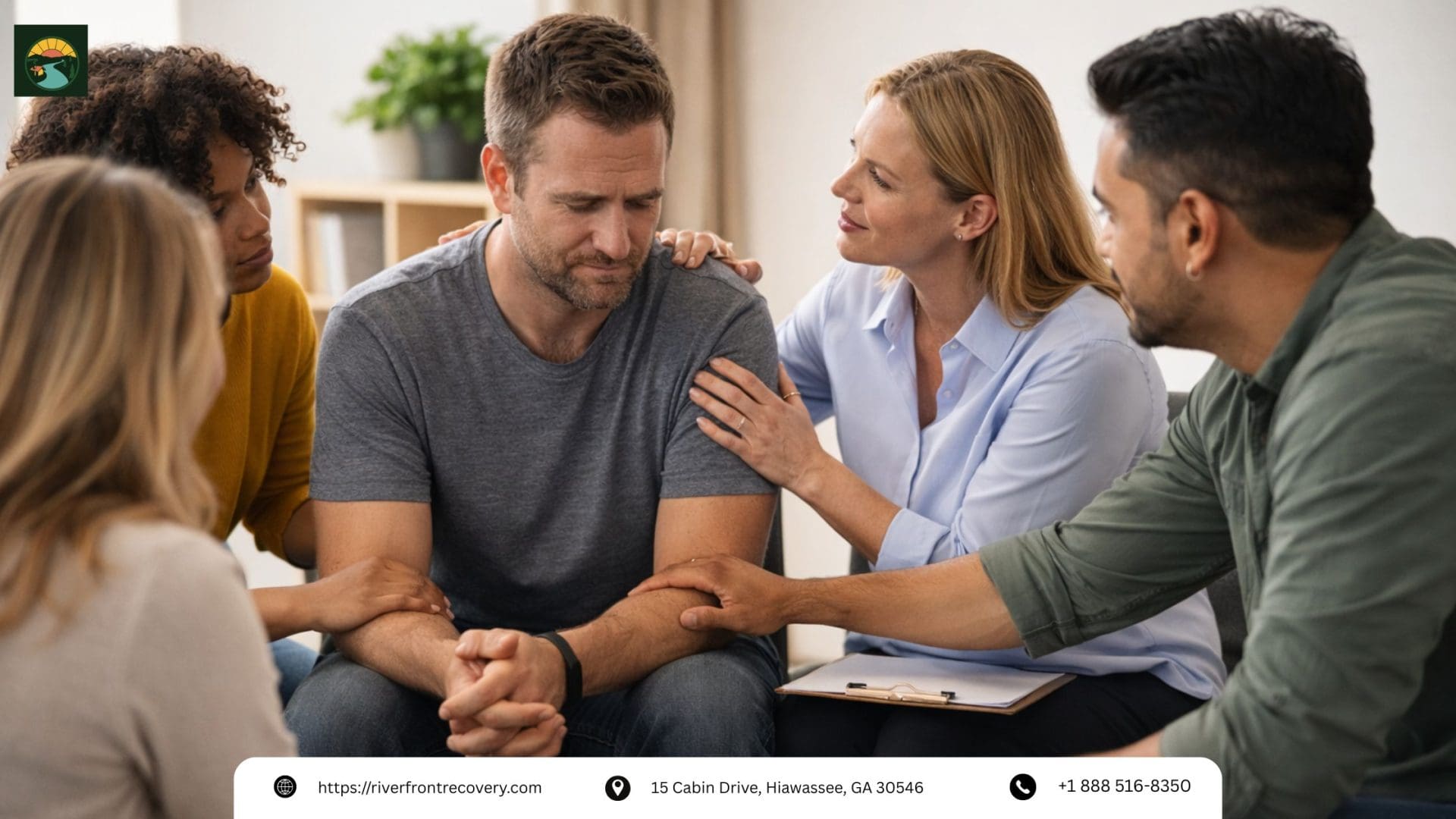
Group therapy plays a significant part in addiction treatment. It is the place where people discover that they’re not the only ones. Listening to others discuss feelings that you’ve never spoken about can be pretty intense. As time passes, the guilt is released.
It’s not necessary to reveal information before you’re prepared. The willingness to share increases when trust is built.
Individual Therapy: The Core of Healing
One-on-one therapy is where the majority of the work is done. This is the time to openly discuss what brought you to addiction, and how you’ve the reason it’s still going on.
For some who suffer from trauma, it’s the result of. Others experience depression, anxiety, or burnout. Or even long-term stress. It’s often a mix of problems that were not appropriately dealt with.
Therapists don’t rush you. There’s no list of emotions that you need to address. Specific sessions are a bit heavy. Others are quiet. The measure of progress isn’t how emotionally charged you are; it’s measured by self-awareness, honesty, and integrity.
As time passes, patterns begin to appear more logical. You start to comprehend what triggers you, the reactions, and your ways of coping in different ways.
Living at the Facility: What It’s Really Like
Living in a community means sharing space with people who are recovering. There’s a chance that you’ll have a roommate. There will be meals shared. There are rules for the use of phones, visitors, and scheduling.
Initially, it may be uncomfortable or restricting. That’s normal. The majority of people aren’t used to being slower or with fewer distractions.
Then something happens that is interesting after some time. Sleep is improved. Your mind is clear. Conversations become more genuine. In the absence of constant noise and pressure, it is possible to reconnect with yourself.
There is no one to judge what you did to get there. Each person is unique and has their own tale, and everyone is aware of the reason they’re here.
Emotional Ups and Downs Are Part of the Process
It’s not a straight line. On some days, you’ll feel optimistic and calm. On other days, you’ll be frustrated and emotional or uncertain that you’ve made the right choice.
It doesn’t mean it’s not working. It’s because you’re feeling the things rather than making them feel less.
Treatment for addiction in the hospital provides support in those times. Therapists and staff assist you in learning to manage your discomfort without reacting in a rash manner. As time passes, your emotions will be less overwhelming and more manageable.
This is among the most important skills that individuals acquire after treatment.
Preparing for Life After Inpatient Treatment
A large part of care for patients is making plans for what’s to come next. The goal of treatment isn’t to separate you from your daily life for eternity; it’s designed to prepare you for the future.
Throughout your stay You’ll be working on:
- Strategies for preventing relapse
- The management of your cravings
- Establishing healthy routines
- Setting boundaries
The creation of the foundation for a support system
Additionally, you’ll create an exit plan. This could include outpatient therapy or Sober Living, a support group, or ongoing counseling. Recovery is most effective when support continues after the confines of inpatient treatment.
Why Many People Choose Inpatient Treatment in Georgia
Georgia provides a variety of inpatient addiction treatment programs that are staffed by experienced clinical professionals and structured recovery settings. A lot of centers emphasize individual treatment rather than a one-size-fits-all approach.
No matter if you’re a Georgia resident or are traveling to seek treatment, inpatient care in Georgia tends to focus on long-term recovery, emotional healing, and life skills. It’s not about stopping drug use.
Is Inpatient Addiction Treatment Worth It?
For those who have been trying to quit on their own or have struggled with care outside of a hospital setting, inpatient treatment can be a powerful turning point. At Riverfront Recovery, the inpatient program is designed to remove daily triggers that disrupt healing, provide consistent professional support, and create space for meaningful, lasting change.
It isn’t an easy process. Recovery takes honesty, patience, and commitment. But for many, it’s the first time they truly feel that healing is possible instead of overwhelming. With compassionate guidance and structure, progress begins to feel achievable rather than distant.
Choosing inpatient treatment at Riverfront Recovery isn’t about giving up control—it’s about taking your life back with clarity, stability, and support.
Your Path to Healing Starts Here
Change is possible—with the right care and support by your side. You don’t have to face recovery alone. Compassionate help is available when you’re ready to take the next step.
Frequently Asked Questions (FAQs)
- How long will inpatient addiction treatment typically last?
The majority of programs last 30, 60, and 90 days. The length you choose depends on your history of substance abuse, as well as your mental health requirements and the progress you make throughout treatment.
- What happens during an inpatient addiction treatment when I’m not feeling at ease?
Uncertainty is normal. There is no need to feel at ease to begin. A lot of people start their treatment in uncertainty, but gain confidence with each session.
- Will I be able to communicate with my family members during my hospitalization?
The majority of programs permit limited contact after the first adjustment phase. Sessions for family therapy are typically included in treatment, too.
- Are inpatient addiction treatments only for those suffering from severe addiction?
No. It’s also beneficial for those who aren’t able to get outpatient therapy or who require an unhurried, safe environment to set themselves up.
- What should I take to my appointment inpatient?
The typical attire is clothing and toiletries, medications that are approved, and the required documentation. The facility will offer an extensive list prior to admission.