
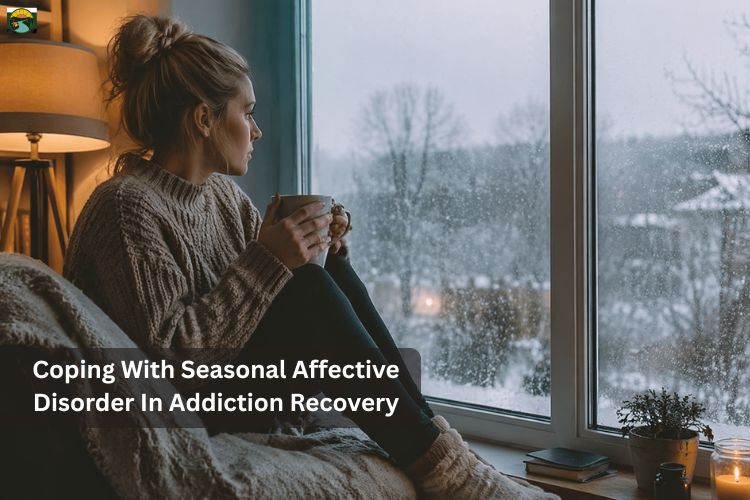
Objective
This blog will explain how seasonal affective disorder could be a problem for people who are recovering from addiction. It explains how mood fluctuations, lower energy levels, and shorter days can add to the stress of recovery. It also offers practical methods to deal with depression during recovery and to respond to symptoms of seasonal affective disorder in a balanced, steady manner.
Key Takeaways
Affective disorders that are seasonal in nature are a type of depression that is triggered by the change in seasons.
Less sunlight and shorter days can affect sleep, mood, and energy levels.
People with seasonal affective disorder may appear stronger after addiction treatment.
Recovery from depression can increase the risk of relapse if it isn’t addressed.
Daily structure support, sleep movements, and exposure to light can be beneficial.
Support is needed before symptoms begin to impact your daily routine.
Table Of Contents
What Seasonal Affective Disorder Means
Why Depression In Recovery Can Feel Worse In Winter
Common Seasonal Affective Disorder Symptoms
How Seasonal Stress Can Affect Recovery
Warning Signs To Take Seriously
Healthy Ways To Cope Every Day
Building A Routine That Supports Recovery
When Professional Help Matters
How Support From Others Can Help
FAQs
1. What Seasonal Affective Disorder Means
SAD, also known as SAD, is a form of depression that appears and goes along with the seasons. It typically begins during the winter or fall, when the days are shorter. Some people experience mild changes: some experience a dramatic depression, a loss of motivation, and energy.
This goes beyond dislike of cold weather. SAD can impact how an individual sleeps, thinks, or eats throughout the day. It can make even the simplest tasks seem heavy. It also makes it difficult to remain connected to routines, people, and good routines.
For someone in recovery, this matters a lot. Recovery already asks a person to manage cravings, stress, emotions, and daily choices more mindfully. When seasonal affective disorder symptoms appear on top of that, the pressure can feel much harder to carry.
At River Front Recovery, this is important because recovery is never just about stopping substance use. It is also about understanding the emotional and mental patterns that can shape each stage of healing.
2. Why Depression In Recovery Can Feel Worse In Winter
Winter can bring real challenges. The days are shorter. Many people spend more time indoors. Social plans often decrease. Energy may drop. Sleep can change. That mix can make depression in recovery feel stronger than usual.
For many people, recovery depends on structure. A steady routine helps reduce stress and keeps the mind focused. But seasonal change can slowly weaken that structure. A person may wake up later, move less, cancel plans, and start pulling away from support. That change may seem small at first, but it can build over time.
Winter can also bring emotional triggers. Holidays, family stress, loneliness, and painful memories often come up more during this season. For someone already working to stay sober, that emotional weight can become hard to manage.
This is why people in recovery need to pay attention to changes in mood during certain times of year. Depression in recovery is not a personal failure. It is a real challenge that deserves support and care.
3. Common Seasonal Affective Disorder Symptoms
It helps to know what seasonal affective disorder symptoms can look like. Not everyone feels the same signs, but many people notice common changes in mood, energy, and behavior.
Common symptoms include:
- Feeling sad for long periods
- Low energy throughout the day
- Sleeping more than usual
- Trouble getting out of bed
- Loss of interest in normal activities
- Social withdrawal
- Increased appetite, especially for sugar or heavy foods
- Trouble focusing
- Feeling slowed down
- Low motivation
Some people also feel more hopeless, more emotionally flat, or more irritated than usual. Others stop doing the things that normally help them feel stable.
These symptoms may overlap with other mental health struggles, which is why patterns matter. If these changes happen during the same season each year, SAD may be part of the reason.
4. How Seasonal Stress Can Affect Recovery
Seasonal depression can affect recovery in quiet but serious ways. It does not always look dramatic at first. Sometimes it begins with missed meetings, less movement, poor sleep, or a growing sense of emotional distance.
Here is how seasonal stress can affect recovery:
| Seasonal Change | Possible Recovery Impact |
| Less sunlight | Lower mood and less energy |
| More time indoors | More isolation |
| Holiday pressure | Emotional stress |
| Disrupted sleep | Poor focus and stronger cravings |
| Lower activity | Less mental balance |
A person may start thinking, “I’m just tired,” or “I’ll feel better later.” Sometimes that is true. But sometimes those changes are early signs of depression in recovery. When that depression grows, the urge to escape can grow too.
In the middle of recovery, River Front Recovery would naturally focus on these patterns because relapse risk often grows when mood, isolation, and stress go unaddressed.
5. Warning Signs To Take Seriously
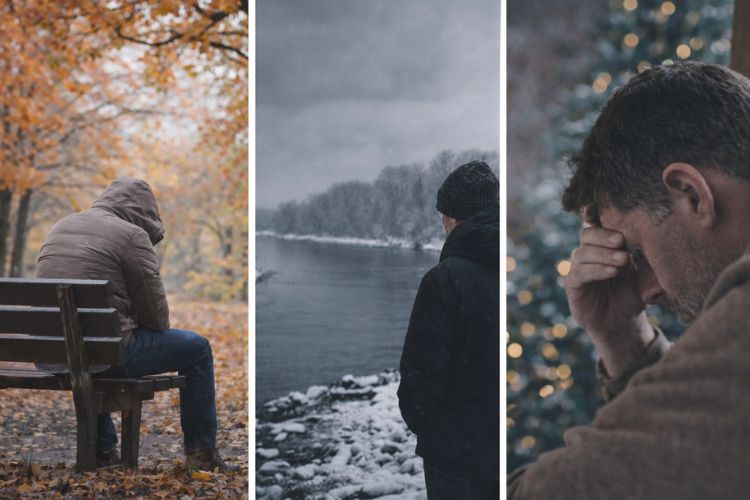
Some warning signs should not be brushed aside. Early action often prevents a harder setback later.
Watch for signs like:
- Skipping support meetings
- Staying in bed too long
- Avoiding calls or messages
- Eating poorly every day
- Losing interest in recovery work
- Pulling away from safe people
- Feeling numb, hopeless, or empty
- Thinking more about old coping habits
A person does not need to be in crisis for these signs to matter. If daily life is starting to shrink, support should increase.
6. Healthy Ways To Cope Every Day
The good news is that many daily actions can help reduce seasonal affective disorder symptoms and support stable recovery.
Helpful coping steps include:
- Get sunlight early in the day
- Open curtains as soon as you wake up
- Spend time outside, even for a short walk
- Keep moving with simple exercise
- Stay connected with support people
- Eat regular meals
- Limit long periods alone
- Keep a steady sleep schedule
These habits may seem basic, but they matter. Simple, consistent actions often protect recovery.
Movement is especially helpful. It does not have to be intense. Walking, stretching, yoga, or light exercise can improve mood and reduce emotional heaviness. Connection also matters. Isolation tends to make depression in recovery worse, so regular contact with supportive people can make a real difference.
7. Building A Routine That Supports Recovery
A clear daily routine can help the brain and body feel safer during difficult seasons. When life feels heavy, routine creates stability.
A helpful routine may include:
- Wake up at the same time each day
- Get morning light right away
- Eat breakfast
- Go for a short walk
- Complete one recovery-focused activity
- Talk to one support person
- Eat meals on time
- Reduce screen time late at night
- Prepare for sleep calmly
- Go to bed at a regular hour
Routine does not need to be perfect. It only needs to be steady enough to support healing. A structured day can reduce mental chaos and make seasonal affective disorder symptoms easier to manage.
Supporting Your Mental Health: SAD in Recovery
Seasonal Affective Disorder can make recovery feel harder, but support and steady routines can help. Learn simple ways to lift your mood, stay grounded, and protect your mental health as you continue your healing journey.
Get Started Now8. When Professional Help Matters
Sometimes self-care and support from others are not enough. That does not mean someone is failing. It means they may need more care.
Professional support matters when:
- Symptoms last more than two weeks
- Daily tasks feel hard to manage
- Cravings are increasing
- Sleep is badly disrupted
- Hopeless thoughts are getting stronger
- Recovery feels unstable
A therapist, doctor, or recovery professional can help a person understand what is happening and choose the right next step. That may include therapy, support groups, medical care, or changes to a recovery plan.
9. How Support From Others Can Help
People in recovery do better when they do not have to carry everything alone. Family, friends, sponsors, and peers can all help during difficult seasons.
Support can look like:
- Checking in regularly
- Encouraging structure
- Going on walks together
- Listening without judgment
- Helping someone stay connected to treatment
- Noticing mood or behavior changes early
At River Front Recovery, the most important reminder is simple. Support does not need to be dramatic to matter. Calm, consistent care can help someone stay grounded as the season starts to affect their mental health.
Conclusion
Seasonal changes can have a real effect on mood, energy, and daily stability. For people in addiction recovery, that effect can feel even stronger. Seasonal affective disorder symptoms may increase isolation, lower motivation, and deepen depression in recovery if they are ignored. The better approach is to notice the pattern early and respond with structure, support, movement, sleep, and honest communication.
Recovery does not pause when winter arrives. It simply needs more attention and stronger daily care. River Front Recovery reminds us that protecting recovery also means protecting mental health during the hardest seasons.
FAQs
What Are The Most Common Seasonal Affective Disorder Symptoms?
Common symptoms include sadness, low energy, sleeping more, increased appetite, poor focus, and pulling away from others.
Can Seasonal Depression Make Recovery Harder?
Yes. It can increase stress, reduce motivation, and increase the risk of relapse if support is not in place.
Why Does Depression In Recovery Feel Worse During Winter?
Less sunlight, more isolation, and changes in routine can make mood and energy drop during winter.
How Can I Manage Depression In Recovery During Seasonal Change?
Stay active, get sunlight, keep a routine, sleep well, attend support meetings, and ask for help early.
When Should Someone Seek Professional Help?
They should seek help when symptoms last more than two weeks or start affecting daily life and recovery.