Prescription Drug Addiction Treatment in Georgia

Personalized Prescription Drug Addiction Treatment In Georgia

Trusted Residential Care for Prescription Drug Addiction

Prescription drug addiction can be one of the most challenging forms of substance dependence to overcome. Medications commonly prescribed for pain, anxiety, sleep disorders, or attention related conditions can be helpful when used as directed, but long term or improper use can lead to physical dependence and serious health risks. Over time, stopping or reducing use may trigger difficult withdrawal symptoms and intense cravings. Because of these physical and psychological challenges, professional treatment is often essential for achieving safe and lasting recovery.

At Riverfront Recovery, we provide private inpatient prescription drug rehab in Georgia for individuals ready to break free from dependence in a safe and supportive environment.

Located along the beautiful rivers in Hiawassee, Georgia, our residential program blends evidence based therapies, medical care, and personalized holistic healing to support the whole person.

Unlike large, crowded facilities, Riverfront is intentionally intimate, with a census of no more than 30 patients. This allows every individual to receive highly personalized care, focused attention, and the support needed to begin a meaningful recovery journey.

Why Choose Prescription Drug Rehab in Georgia?

Why Choose Prescription Drug Rehab in Georgia?

Misuse of prescription medications often starts innocently—with a legitimate medical need—but can quickly spiral into dependence. Professional treatment is essential because:

  • Withdrawal can be dangerous without medical oversight.
  • Underlying issues like anxiety, trauma, or chronic pain need to be addressed.
  • Supportive structure is necessary to break the cycle of misuse and relapse.

At Riverfront Recovery, we offer an individualized approach to meet these challenges head-on to help people find hope, healing, and a future free from dependency.

What to Expect at Inpatient Prescription Drug Rehab

What to Expect at Inpatient Prescription Drug Rehab

Inpatient prescription drug treatment with Riverfront provides a structured and closely monitored environment where individuals can focus fully on recovery. At Riverfront Recovery, patients receive comprehensive care that includes medical supervision, individualized treatment planning, and continuous support from experienced professionals. Because prescription drug dependence can involve a range of medications and withdrawal considerations, care is carefully managed to support safety, comfort, and stabilization. In addition to medical oversight, inpatient treatment incorporates evidence based therapies and emotional support to address both physical dependence and the underlying psychological factors associated with prescription medication misuse. This level of care helps individuals develop healthy coping skills, regain emotional balance, and build a strong foundation for long term recovery.

24/7 nursing supervision

to monitor vitals, symptoms, and comfort levels

Individualized medical protocols

based on health history, substance use patterns, and co-occurring conditions

Ongoing assessment

by a Nurse Practitioner and oversight from an Addiction Medicine physician

Supportive Care

including hydration, nutrition, and medication-assisted treatment (MAT) when appropriate

Emotional support and stabilization

to help clients manage anxiety, fear, and other early-recovery emotions

Safe Medication Management

where a carefully monitored administration of detox medications ensure comfort, safety, and reduce risk of complications

Comprehensive, Compassionate Treatment for Prescription Drug Addiction

Comprehensive, Compassionate Treatment for Prescription Drug Addiction

At Riverfront Recovery, we understand the profound impact benzodiazepine addiction can have on individuals and their families. Our inpatient benzodiazepine treatment program in Georgia is designed to provide safety, structure, and hope for those ready to break free from dependence on medications such as Xanax, Valium, Ativan, or Klonopin. With a maximum of 30 patients, our program maintains an intimate setting that allows each individual to receive the personalized care, attention, and support they deserve throughout their recovery journey.

Detoxing from prescription drugs without medical oversight can be risky, as withdrawal symptoms may range from intense discomfort to serious medical complications depending on the medication involved. Symptoms can include anxiety, insomnia, nausea, mood changes, and in some cases dangerous physical reactions. At Riverfront Recovery, our clinical team provides around the clock monitoring and individualized medical care, including tapering strategies or medication assisted protocols when appropriate. This approach helps ensure detox is managed as safely and comfortably as possible while supporting physical and emotional stabilization.

Our inpatient prescription drug treatment program focuses on identifying and addressing the underlying factors that contribute to substance misuse, such as chronic stress, anxiety, trauma, or co occurring mental health conditions. Through individualized counseling and therapeutic support, patients learn healthier coping strategies, strengthen emotional resilience, and develop practical tools to manage stress and life challenges without relying on prescription medications.

Addiction often deepens in isolation, which is why connection plays an important role in recovery from prescription drug addiction. Our group therapy sessions bring patients together in a supportive setting where they can share experiences, practice healthy communication, and build meaningful connections. Guided by experienced clinicians, group sessions help patients develop accountability, strengthen relapse prevention skills, and gain reassurance that they are not alone as they work toward lasting recovery.

Prescription drug addiction affects more than just the individual, it often has a profound impact on loved ones as well. At Riverfront Recovery, we involve families through education, therapeutic support, and guided communication to help rebuild trust and strengthen relationships. By addressing family dynamics and encouraging healthy patterns together, we support a more stable and lasting recovery for everyone involved.

Recovery from prescription drug addiction does not end at discharge. At Riverfront Recovery, we create personalized aftercare plans that connect patients with ongoing support such as outpatient treatment, peer support groups, sober living options, and continued therapeutic care. Our goal is to help each individual maintain progress and build a strong, long term foundation for sobriety and overall wellness.

Common Signs & Symptoms Associated With Prescription Drug Addiction

Common Signs & Symptoms Associated With Prescription Drug Addiction

Recognizing the warning signs of prescription drug dependence is an important step toward seeking help. Misuse of prescription medications can affect individuals physically, emotionally, and behaviorally, and without proper treatment, these effects often become more severe over time.

Prescription drug misuse can affect the body in different ways depending on the medication involved, often leading to noticeable physical changes over time.

• Drowsiness or excessive fatigue
• Changes in sleep patterns
• Nausea or stomach discomfort
• Headaches
• Dizziness or poor coordination
• Changes in appetite or weight
• Slurred speech
• Tremors or shaking
• Increased tolerance requiring higher doses
• Withdrawal symptoms when medication is missed

As dependence develops, behaviors often shift to prioritize obtaining and using medications over daily responsibilities and relationships.

• Taking higher doses than prescribed
• Using medication more frequently or for longer than intended
• Difficulty cutting back or stopping use
• Seeking early refills or multiple prescriptions
• Using prescription drugs without a prescription
• Withdrawing from family or social activities
• Neglecting work, school, or personal responsibilities
• Continuing use despite negative consequences

Prescription drug dependence can significantly impact emotional regulation and mental wellbeing, especially as tolerance and reliance increase.

• Anxiety or heightened stress
• Depression or persistent low mood
• Mood swings or irritability
• Emotional numbness
• Difficulty concentrating or thinking clearly
• Increased cravings for medication
• Feelings of guilt or shame
• Increased reliance on medication to cope

Trying to stop using prescription medications without professional support can be risky, particularly for individuals who have been using them regularly or for an extended period of time. Suddenly stopping certain prescription drugs or attempting to taper without medical guidance can place significant stress on the body and nervous system, leading to uncomfortable or potentially serious withdrawal symptoms. Depending on the medication involved, unmanaged withdrawal may increase the risk of complications, making professional care an important part of the recovery process.

Entering a medically supervised prescription drug detox program provides continuous monitoring and clinical support throughout withdrawal. In this setting, medical professionals assess each individual’s medication history, manage dosage reductions when appropriate, monitor symptoms, and provide medications to improve comfort and safety. This level of care helps ensure withdrawal is handled as safely and smoothly as possible while supporting physical and emotional stabilization.

Prescription drug withdrawal symptoms may begin within hours to days after reducing or stopping use and can last for days or longer, depending on the type of medication, dosage, and duration of use. While not everyone experiences every symptom, many individuals recognize some of the warning signs outlined below.

Prescription drug withdrawal symptoms can begin within hours or days after reducing or stopping use and may range from mild discomfort to more severe reactions. The experience of withdrawal varies depending on the type of medication, dosage, length of use, and individual health factors. Some prescription drugs can produce intense or medically significant withdrawal symptoms when discontinued without proper care, which is why medical supervision is often recommended. Common prescription drug withdrawal symptoms include:

• Increased anxiety or heightened stress
• Irritability or agitation
• Restlessness
• Sleep disturbances or insomnia
• Muscle aches or physical discomfort
• Tremors or shaking
• Sweating
• Headaches
• Nausea or gastrointestinal upset
• Sensitivity to light or sound
• Difficulty concentrating
• Memory problems
• Mood swings
• Rapid heart rate or palpitations
• Elevated blood pressure
• Feelings of confusion or disorientation
• Cravings for medication

Compassionate Care for Lasting Recovery

Compassionate Care for Lasting Recovery

At Riverfront Recovery, we recognize that prescription drug addiction reaches far beyond physical dependence. It often affects emotional health, mental clarity, personal relationships, and day to day functioning. Our approach to treatment is designed to support the whole individual, combining medical care with emotional and therapeutic support to promote true healing. By offering evidence based treatment within a structured and compassionate environment, we help individuals strengthen resilience, rebuild balance, and move toward lasting recovery from prescription drug addiction.

A Healing Environment

A Healing Environment

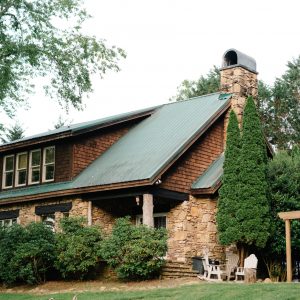
Our private treatment setting is thoughtfully designed to promote calm, comfort, and a sense of safety. By limiting our census to no more than 30 patients, Riverfront Recovery is able to provide individualized attention in a peaceful environment free from overcrowding. This intimate setting allows patients the space and support they need to reflect, heal, and fully focus on their recovery journey.

How Can You Pay For Treatment?

How Can You Pay For Treatment?

At Riverfront Recovery, we believe financial concerns should never stand in the way of receiving quality addiction treatment. Our Georgia based recovery programs work with most PPO health insurance plans to help make care more accessible for individuals seeking support.

PPO Insurance Coverage for Addiction Treatment in Georgia
  1. Verify Your Coverage: Connect with our admissions team to confirm your PPO insurance benefits for treatment at Riverfront. We will review your plan and explain what services are covered, including inpatient care, therapy, and medical support.
  2. Understand Your Benefits: Many PPO insurance plans include coverage for inpatient treatment services such as medication assisted treatment, individual therapy, group counseling, and discharge planning. Our team will walk you through your benefits in detail so you know exactly what to expect.
  3. Navigate Costs With Confidence: The financial side of treatment can feel overwhelming, but you do not have to handle it alone. We help clarify co pays, deductibles, and any potential out of pocket costs so there are no surprises.

If you are unsure how to use your insurance benefits, our admissions specialists are here to guide you through every step. Our goal is to make the process simple and stress free so you can focus fully on your recovery.

Common Signs Of a Loved One Struggling With Prescription Drug Addiction

Common Signs Of a Loved One Struggling With Prescription Drug Addiction

Recognizing signs of prescription drug addiction in someone close to you can be difficult, especially when they minimize or conceal their medication use. Many individuals struggling with prescription drugs work hard to appear functional and in control, which can make concerns less obvious in the early stages. Still, early awareness can play an important role in helping a loved one access appropriate care. Prescription drug addiction often develops gradually, making subtle changes in behavior, mood, and daily routines important to notice.

One of the earliest indicators is a shift in how prescription medications are used. This may include taking higher doses than prescribed, using medication more frequently, or continuing use beyond the intended timeframe. A loved one may have difficulty cutting back, become defensive when asked about their medication use, or continue using despite negative consequences. Over time, responsibilities at work, school, or home may begin to decline, while relationships, hobbies, and activities that were once meaningful receive less attention.

Physical and emotional changes may also emerge. These can include disrupted sleep, ongoing fatigue, mood swings, irritability, increased anxiety, or symptoms of depression. Some individuals may begin isolating, hiding medications, taking doses in private, or experiencing physical discomfort, restlessness, or emotional distress when medications are not available, which can signal growing dependence.

If concerns persist, it is important to trust what you are observing. Paying attention to patterns rather than isolated moments can provide clarity. Approaching your loved one with empathy and understanding, rather than judgment, can help open the door to honest conversation and support. Prescription drug addiction is a treatable medical condition, and with professional care, recovery is possible.

Why Choose Riverfront Recovery?

Why Choose Riverfront Recovery?

  • Low patient-to-staff ratio for individualized attention.
  • A treatment philosophy centered on dignity, respect, and compassion.
  • A proven combination of clinical expertise and holistic care.
  • A serene, beautiful environment that fosters healing.

At Riverfront Recovery, we don’t just treat addiction, we help people rediscover who they are and create a life they can be proud of.

Here’s Why People Choose Riverfront

Choose intimacy. Choose nature. Choose recovery that lasts.

Treatment here is covered by all major insurance companies

Facility Preview