Most doctors and addiction specialists would say benzodiazepines, the class that includes Xanax, Klonopin, Valium, and Ativan. They aren’t the most addictive drugs out there. They’re the hardest to quit because stopping suddenly can cause seizures, and the withdrawal can last for weeks or even months.
Opioid painkillers and stimulants like Adderall are tough in their own ways, though. The hardest prescription drug to quit for you depends on what you take, how long you’ve taken it, and why you started.
This is a bigger problem than most people realize. In 2024, about 7.6 million Americans misused prescription opioids, according to SAMHSA’s national drug use survey. That number leaves out everyone who took a prescription medication exactly as directed and still can’t stop.
Below, we compare the drugs people find hardest to quit, explain what prescription drug withdrawal feels like, and walk through how safe treatment works.
If you’re thinking about stopping medication, talk to someone before you do. The team at Riverfront Recovery takes confidential calls any time at (888) 516-8350. You can also read about our prescription drug addiction treatment.
Key Takeaways
- The hardest prescription drug to quit is usually a benzodiazepine, because withdrawal can be medically dangerous.
- Opioid painkillers are hard because of severe withdrawal, strong cravings, and the pain that led you to them.
- Stimulants like Adderall are hard mostly because of the crash: exhaustion, low mood, and poor sleep.
- Prescription medication dependence and addiction are different. You can be dependent without misusing anything.
- Don’t stop taking long-term medication suddenly. A slow taper with a doctor is much safer.
- Prescription medication rehab treats the body first, then the reasons you started taking the drug.
What Is the Hardest Prescription Drug to Quit?
Benzodiazepines are usually named the hardest, because stopping them abruptly can trigger seizures and symptoms that linger. Opioids and stimulants are harder in other ways, so it helps to see all three side by side.
| Drug Group | Common Examples | Why It’s Hard to Quit | Biggest Risk |
| Benzodiazepines | Xanax, Valium, Ativan, Klonopin | Rebound anxiety, insomnia, long withdrawal | Seizures if stopped suddenly |
| Opioid painkillers | Oxycodone, hydrocodone, morphine | Painful withdrawal, strong cravings, returning pain | Overdose after tolerance drops |
| Stimulants | Adderall, Ritalin | Mood and energy crash, cravings | Depression and sleep problems |
The FDA backed this up in 2020, when it required boxed warnings on every benzodiazepine about physical dependence and withdrawal reactions. Plenty of clinicians would argue opioids belong at the top, since cravings and relapse are so common. There’s no official ranking. But when you ask which one can hurt you most if you quit the wrong way, benzos usually win.
Here’s a scene we see a lot. A woman takes benzo for panic attacks for three years. Her prescription runs out, so she stops. Within days she feels worse than she ever did, and she assumes her anxiety is back. Most of what she’s feeling is withdrawal. She just doesn’t know it.
Other medications, like sleep aids and gabapentin, can cause withdrawal too. Ask your prescriber before you change any dose.
Why Is Prescription Medication Dependence So Hard to Break?
Your brain adjusts to the drug, and after a while it doesn’t work normally without it. That’s physical dependence, and it can happen even when you follow your prescription to the letter.
A few things pile on top of that:
- Tolerance: over time you need more to get the same effect.
- Rebound symptoms: the anxiety, pain, or insomnia comes back stronger when you stop.
- Fear: people worry the original problem will return, so they keep taking the drug.
- Underlying conditions: trauma, chronic pain, and depression often sit behind the use.
It’s also hard to tell withdrawal from the condition you were treating in the first place. That confusion keeps a lot of people stuck.
Dependence and addiction aren’t the same thing. With prescription medication dependence, your body relies on the drug. With addiction, you keep using it even when it’s hurting your life. The two often overlap, and both can be treated. Nobody here is judging. Most people just did what their doctor said.
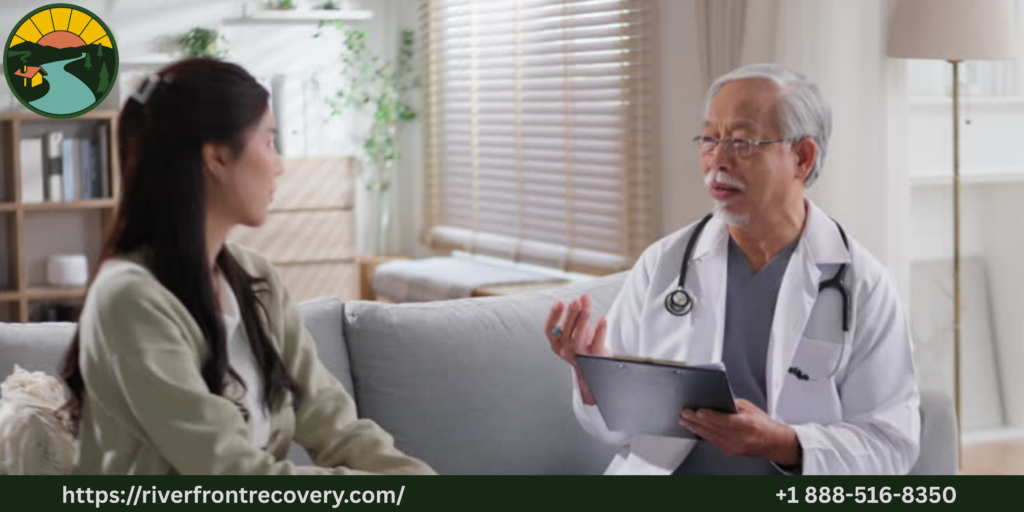
What Does Prescription Drug Withdrawal Feel Like?
Prescription drug withdrawal usually feels like rising anxiety, bad sleep, aches, and restlessness. The exact picture depends on the drug, the dose, and how long you took it.
Symptoms many people report:
- Anxiety and irritability
- Insomnia
- Sweating and shaking
- Nausea or an upset stomach
- Headaches and muscle aches
- A racing heart
- Trouble concentrating
- Strong cravings
Timing differs by drug group. These are general ranges, so your experience may vary.
| Drug Group | When It Starts | How It Usually Goes |
| Benzodiazepines | A day or two for short-acting drugs, later for long-acting ones | Weeks of acute symptoms, with some lingering for months |
| Opioid painkillers | About 8 to 24 hours after the last dose for short-acting drugs | Worst in the first few days, easing over roughly a week, cravings can last longer |
| Stimulants | Within hours to a day | A crash in the first days, with mood and energy recovering over weeks |
Get emergency help if you have a seizure, confusion, hallucinations, chest pain, or thoughts of hurting yourself. Call 911, or call or text 988.
One more thing that doesn’t get said enough. After opioid withdrawal, your tolerance drops. If you go back to your old dose, your body may not handle it, and overdose becomes a real risk. This is one reason relapse can be so dangerous.
Can You Quit Prescription Drugs on Your Own?
For benzodiazepines and long-term opioid use, it’s not a good idea. A slow taper guided by a doctor is far safer than stopping cold turkey.
A taper just means lowering the dose in small steps. Your doctor sets the pace and adjusts if symptoms flare. Compare the options:
| Approach | Risk | What to Know |
| Stopping suddenly | High | Can cause seizures, severe anxiety, or intense withdrawal |
| Tapering on your own | Moderate to high | It’s easy to go too fast or slip back |
| Doctor-supervised taper | Lower | The dose changes with how you feel |
| Medical detox | Lowest for complex cases | Round-the-clock monitoring and symptom care |
If you’ve taken something for a long time, pick supervision. Our guide on detoxing from opioids at home explains the risks in more detail.
How Does Prescription Medication Rehab Work?
Prescription medication rehab starts with a medical assessment, then moves through detox, therapy, and an aftercare plan. The goal is to get you off the drug safely and deal with whatever drove the use.
Here’s how it usually goes:
- Assessment. The team looks at your medication history, physical health, and mental health.
- Medical detox. Nurses and physicians monitor you around the clock. They may taper your dose or use medication-assisted treatment when it fits.
- Residential treatment. You live at the center and take part in individual therapy, group therapy, and family sessions.
- Dual diagnosis care. Anxiety, depression, trauma, or chronic pain get treated alongside the dependence.
- Aftercare planning. The team connects you with outpatient care, peer support, or sober living before you leave.
Opioid dependence has FDA-approved medications. Benzodiazepine dependence doesn’t, so tapering is the main tool there.
Want to talk through what this would look like for you? Call Riverfront Recovery at (888) 516-8350 or read about our medical detox.
How Do You Know When It’s Time to Get Help?
It’s time if you can’t cut back, keep needing higher doses, or feel sick when you miss one. Those are signs of dependence, even if the prescription is perfectly legitimate.
Signs in yourself:
- Taking more than prescribed, or more often
- Running out early or asking for extra refills
- Feeling anxious or ill between doses
- Trying to stop and not being able to
- Pulling away from family, work, or things you used to enjoy
- Leaning on the medication to cope with stress or feelings
Signs in someone you love:
- Mood swings or irritability
- Drowsiness, slurred speech, or poor coordination
- Hiding pills or taking them in private
- Getting defensive when you ask about medication
- Slipping at work, school, or home
If you’re worried about someone, start with what you’ve noticed and say that you care. Skip the blame. Families matter in recovery, and our program includes family education and involvement.
Need Help Overcoming Prescription Medication Dependence?
Stopping prescription medication can be challenging, especially when withdrawal symptoms and physical dependence make recovery difficult. Riverfront Recovery Center provides medically supervised detox, residential treatment, and personalized care to help individuals address prescription drug dependence safely. Speak with our admissions team about treatment options and insurance coverage.
Explore Prescription Drug Treatment
What Does Treatment Look Like at Riverfront Recovery in North Georgia?
Riverfront Recovery is a small residential treatment center on 25 waterfront acres in Hiawassee, Georgia. We keep our census to 30 patients or fewer, so people get real attention instead of a number on a clipboard.
If you’ve been searching for prescription medication rehab near me in North Georgia, here’s what we offer:
- Location: 15 Cabin Drive, Hiawassee, GA 30546. Families come from Young Harris, Blairsville, Blue Ridge, Clayton, Gainesville, and Atlanta, and from across the Southeast.
- Medical detox: 24/7 nursing, with oversight from an addiction medicine physician.
- Residential care: Up to 90 days, with individual and group therapy and family involvement.
- Dual diagnosis: Mental health conditions are treated alongside the dependence.
- Faith-based option: Available if it matters to you.
- Confidential assessment: Your first call is private, with no obligation.
What about the cost? Riverfront Recovery works with most PPO plans and major insurers, including Aetna, Anthem, BCBS, Cigna, Humana, and UnitedHealthcare. Coverage depends on your plan, so we check your benefits before you decide anything. You can verify your insurance or visit our admissions page.
Still have questions? Contact us. You can also learn more about our residential treatment and dual diagnosis treatment.
You don’t have to figure this out alone. Call Riverfront Recovery at (888) 516-8350 for a free, confidential conversation.
Ready to Take the First Step?
There’s no single answer to the hardest prescription drug to quit. The answer to quitting safely is the same every time, though: do it with medical support. Benzo, opioid, or stimulant, recovery is possible.
Riverfront Recovery is here when you’re ready. Call (888) 516-8350, verify your insurance, or contact us online to start a confidential conversation.
Medical review: This article is not a substitute for professional medical advice, diagnosis, or treatment. Do not stop or change any prescribed medication without speaking to your prescriber. If you are in crisis, call or text 988 or call 911.